Product specifications and highlights restored from our saved catalogue records. The original article date and recommendations are unchanged.
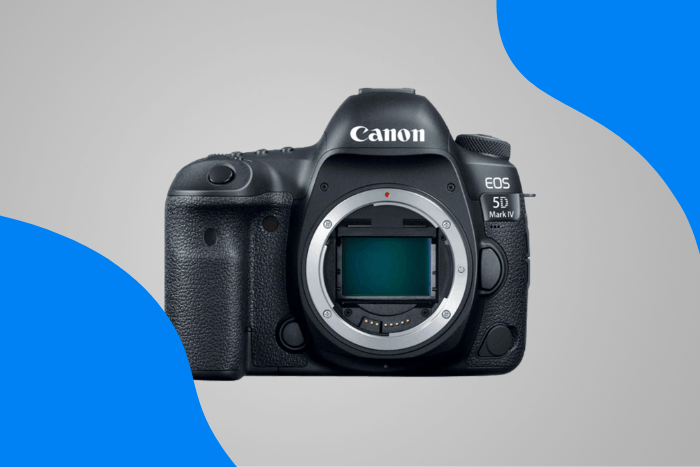
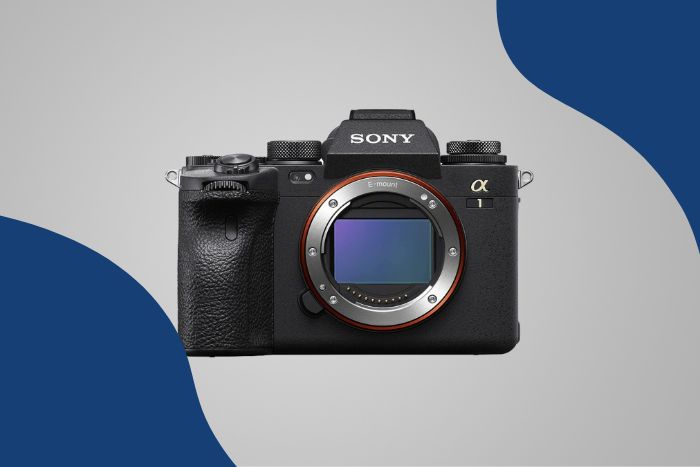
It’s no coincidence that they’re all mirrorless cameras. That’s not because “hybrid” means “mirrorless.” (Some people use it that way.) But it’s because the best mirrorless cameras offer everything you want. It’s a still camera with all the video features you need.
Yes, some excellent still cameras do offer video. Some examples are the Nikon D850, Nikon D6, and the Canon EOS 1 DX Mark III. But DSLRs are usually bigger and heavier. They’ll always suffer from viewfinder blackout. And their autofocus systems will also never work across the whole frame.
If you want a hybrid camera that doesn’t compromise on stills or video, you’re better off with a Nikon Z9. Or there are plenty of crop sensor models from Panasonic, Fujifilm, and Olympus. These offer a smaller, more portable option at a fraction of the price.
What is the Best Hybrid Camera?
Let’s look at a quick roundup of the best hybrid camera options before we go into each camera in more detail.
- Nikon Z9
- Fujifilm X-H2S
- Panasonic Lumix DC-S5
- Sony a7 IV
- Olympus OM-D E-M1X
- Canon EOS R7
- Panasonic Lumix DC-GH6
- Panasonic Lumix DC-S1H
- Sony a1
- Canon EOS R5 C
- Nikon Z6 II
11 Best Hybrid Cameras in Detail
Now let’s look at each hybrid camera in detail. Some lean more toward still photography. Others are built more for video. But you get the best of both!
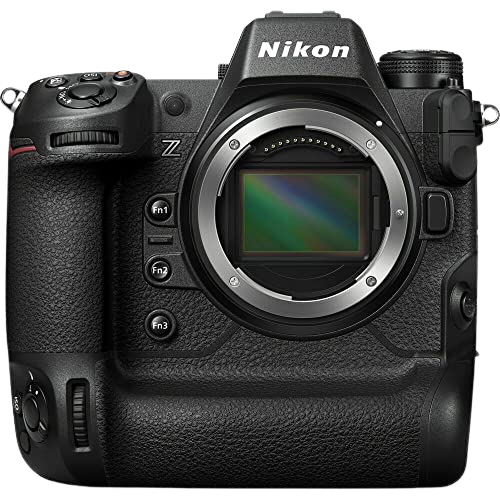
Nikon Z9
- Resolution
- 46 MP
- Sensor
- Full Frame
- Video
- 8K
- Weight
- 1340 g
Highlights
- Ultra-fast image processor
- High, 120 fps compressed frame rate
- No visible rolling shutter
- Excellent battery life
- 8K/60p Ultra HD video
- Unlimited low-resolution recording
Trade-Offs
- Only 11 MP files at the highest frame
- You can only shoot RAW files at 20 fps
- Tracking can fail with erratic movement
- IBIS not as good as Canon R3
- Autofocus isn't as good for video
- The screen doesn't fully articulate
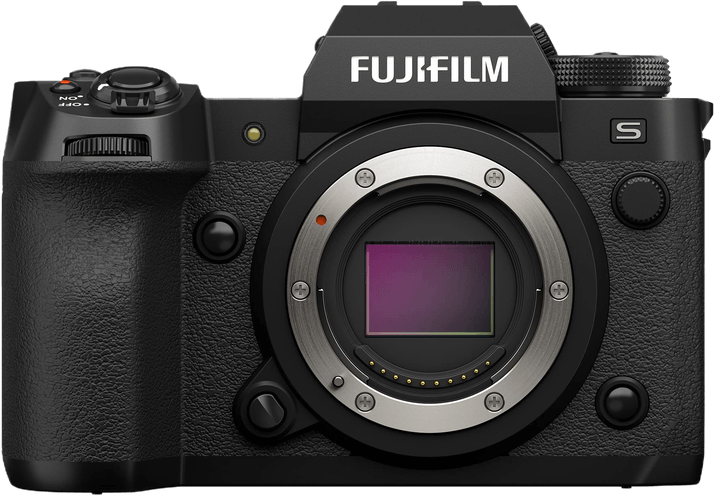
Fujifilm X-H2S
- Resolution
- 26 MP
- Sensor
- APS-C
- Video
- 4K
- Weight
- 660 g
Trade-Offs
- Limited lens line-up
- Canon, Sony have better Eye Detection
- No touch screen video tracking
- Rolling shutter in F-Log2 video
- Dynamic range is lost shooting video with an electronic shutter
Panasonic Lumix DC-S5
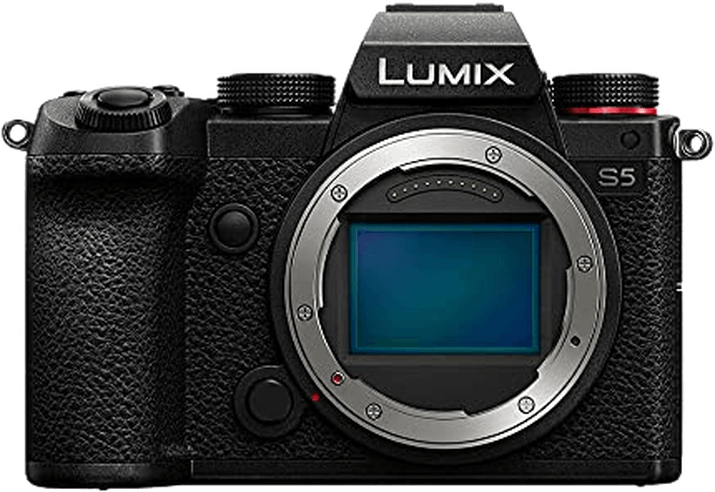
- Resolution
- 24.2 MP
- Sensor
- Full Frame
- Video
- 4K
- Weight
- 714 g
Highlights
- Lightweight and portable
- Image stabilization to prevent camera shake
- Dual memory card slots
- Great 4K video capabilities
Trade-Offs
- Slow-burst shooting
- Short battery life
- Poor autofocus within camera class
- Limited L-mount lens range
Sony a7 IV
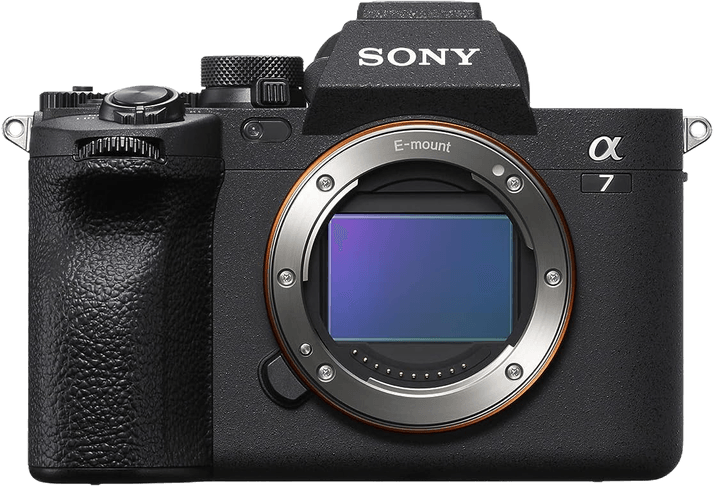
- Resolution
- 33 MP
- Sensor
- Full Frame
- Video
- 4K
- Weight
- 659 g
Trade-Offs
- More expensive than the Sony a7 III
- 6 fps with 14-bit lossless compressed or uncompressed RAW files
- Significant distortion with moving subjects using a silent shutter
- Occasional issues with rolling shutter
- Requires a fast memory card
Olympus OM-D E-M1X
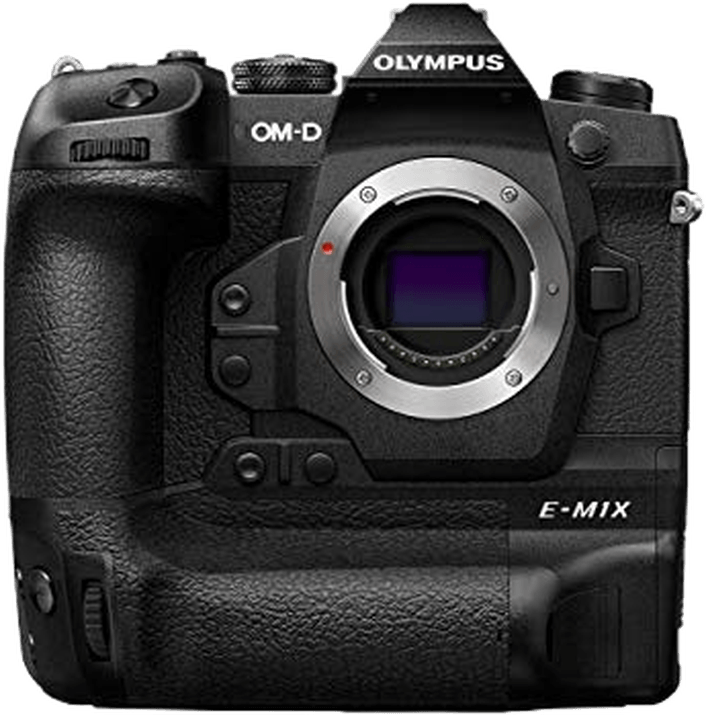
- Resolution
- 20 MP
- Sensor
- Micro Four Thirds
- Video
- 4K
- Weight
- 997 g
Trade-Offs
- Expensive
- Sensor doesn't match up to many close competitors
- Electronic shutter might lead to rolling shutter effects and banding
- Large, heavy, hard to handle body
- Motion artifacts with Cinema 4K at 24p
Canon EOS R7
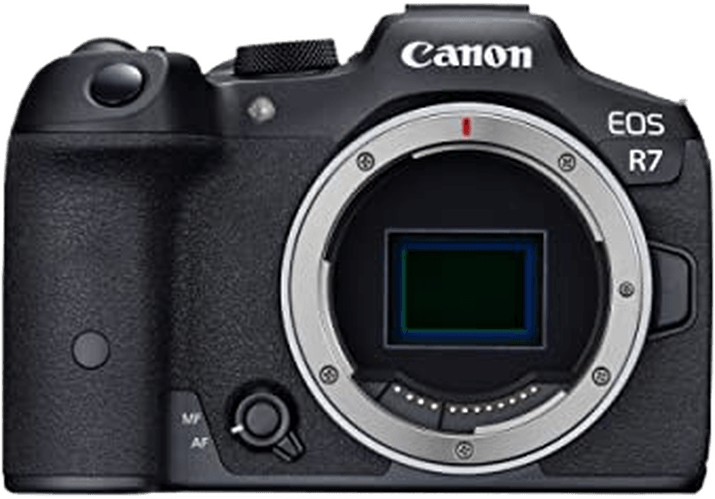
- Resolution
- 33 MP
- Sensor
- APS-C
- Video
- 4K
- Weight
- 612 g
Highlights
- 30 fps burst mode with electronic shutter
- 5-axis sensor-shift image stabilization
- Fully articulating touch screen
- Unlimited, oversampled 4K video
- Animal eye-detect AF for wildlife and pets
Trade-Offs
- Fiddly AF joystick and exposure compensation dial
- Easy to change power switch to video by accident
- No built-in flash
- Limited range of native lenses
- Rolling shutter effect shooting video
Panasonic Lumix DC-GH6
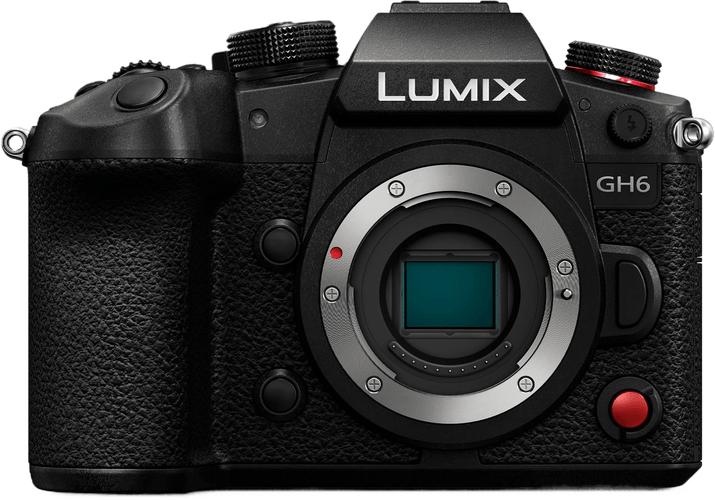
- Resolution
- 25 MP
- Sensor
- Micro Four Thirds
- Video
- 6K
- Weight
- 823 g
Trade-Offs
- Fairly expensive camera
- AF system lags behind other brands
- Mediocre low-light performance
- Large and heavy body isn't always comfortable to handle
- Battery life could be better
Panasonic Lumix DC-S1H
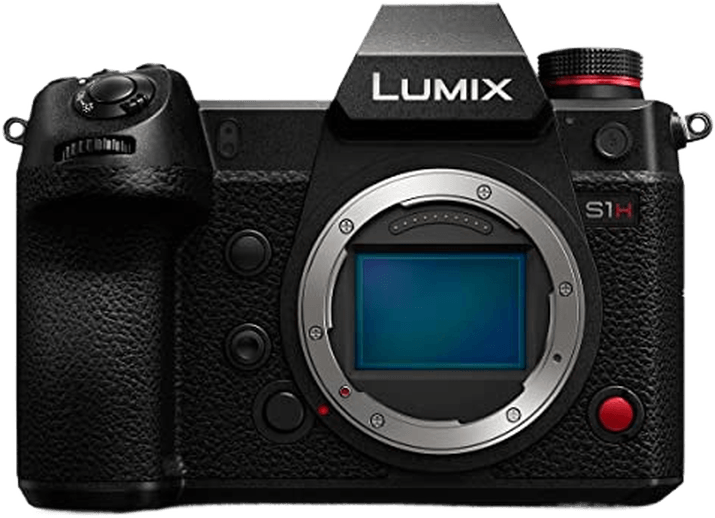
- Resolution
- 24 MP
- Sensor
- Full Frame
- Video
- 6K
- Weight
- 1052 g
Trade-Offs
- No RAW video capture
- Low burst frame rate of 9 fps
- Heavier than similar Lumix models
- Battery life varies due to camera's fan
- Not the most reliable autofocus when recording video
Sony a1
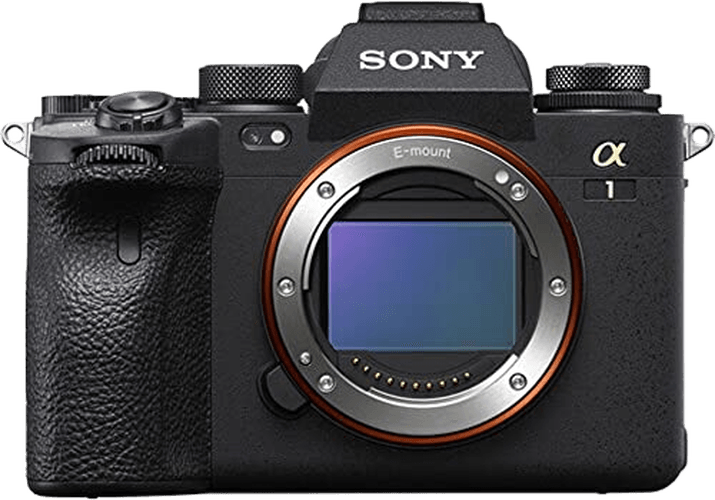
- Resolution
- 50.1 MP
- Sensor
- Full Frame
- Video
- 8K
- Weight
- 737 g
Highlights
- Large sensor captures tons of detail
- High frame rate of 30 fps
- Eye tracking (human, animal, and bird)
- Easy customization
- Silent shooting for quiet situations
- Incredible 8K/30p Ultra HD video
Trade-Offs
- Expensive
- Highest frame rates only for JPEG, HEIF, and lossy compressed RAW files
- Eye tracking only selected manually
- Small rear LCD screen
- No GPS
Canon EOS R5 C
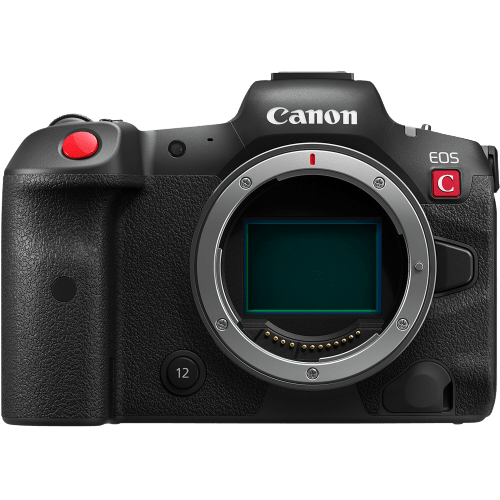
- Resolution
- 45 MP
- Sensor
- Full Frame
- Video
- 8K
- Weight
- 770 g
Highlights
- The photo/video switch allows you to easily switch between shooting modes
- 5-axis In-camera image stabilization
- Compact and lightweight
- Unlimited video recording due to built-in fan preventing overheating
- Reduced video sizes with Cinema RAW Light modes
Trade-Offs
- Expensive
- Limited native lens compatibility
- Continuous AF only covers 80% of the image sensor in video mode
- Bigger than the original EOS R5
- Must use an external battery source for the fastest shooting speeds
Nikon Z6 II
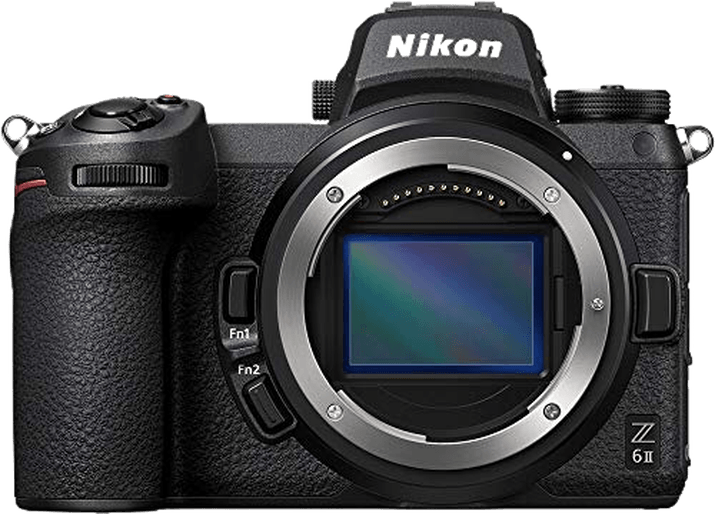
- Resolution
- 24.5 MP
- Sensor
- Full Frame
- Video
- 4K
- Weight
- 705 g
Trade-Offs
- Autofocus can be slow
- Relatively short battery life
- Lower MP count than main competitors
- Needs more customizable buttons
Our Verdict
The best hybrid cameras on the market are now the same as the best mirrorless ones. At the top of the tree are the full frame mirrorless cameras from Sony, Canon, and Nikon. But the best all-rounder for photography and videography on our list is the Nikon Z9.
Are you looking for a smaller, more affordable crop-sensor model? Look at the new Fujifilm X-H2S, Panasonic Lumix DC-S5, and Olympus OM-D E-M1X. They offer good image quality. Plus, they have excellent burst rates, buffer sizes, and video features.
If you’re looking for more inspiration try our recent guides to the best camera for product photography, 4K DSLRs, or Nikon mirrorless cameras next!