Product specifications and highlights restored from our saved catalogue records. The original article date and recommendations are unchanged.
But if you want to take pictures of your own products to advertise on Etsy or Amazon, you could buy a full frame model. Or you could even settle for an APS-C or Micro Four Thirds version.
What Is the Best Camera for Product Photography?
If you’re looking for the best camera for product photography, there are medium format, full frame, APS-C, and Micro Four Thirds cameras.
You can use them all in tethered mode. And there are both professional and budget options. So there’s something for everyone!
As you go down our list, sensor size and resolution fall along with image quality. And the cameras become much more affordable.
- Fujifilm GFX 50S II
- Sony a7R V
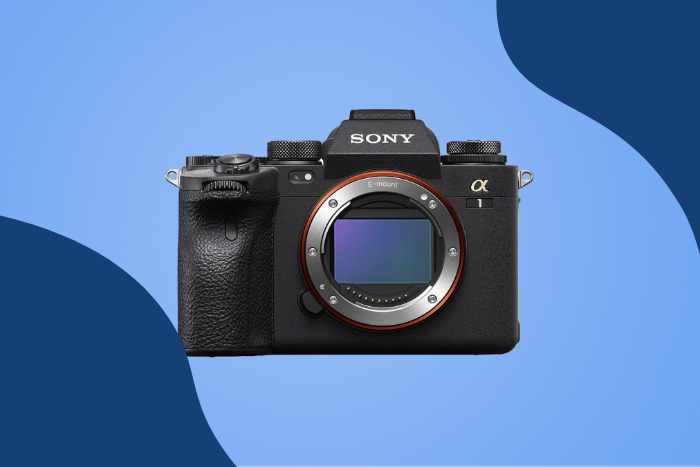
- Sony a1
- Nikon Z9
- Nikon Z8
- Canon EOS R5
- Nikon D850
- Canon EOS 5D Mark IV
- Fujifilm X-H2
- Canon EOS R7
- Olympus OM-D E-M10 Mark IV
Best Camera for Product Photography (Top 11 in Detail)
Here we do a deeper dive into the specs for each of the best cameras. Use our camera comparison tool as needed.
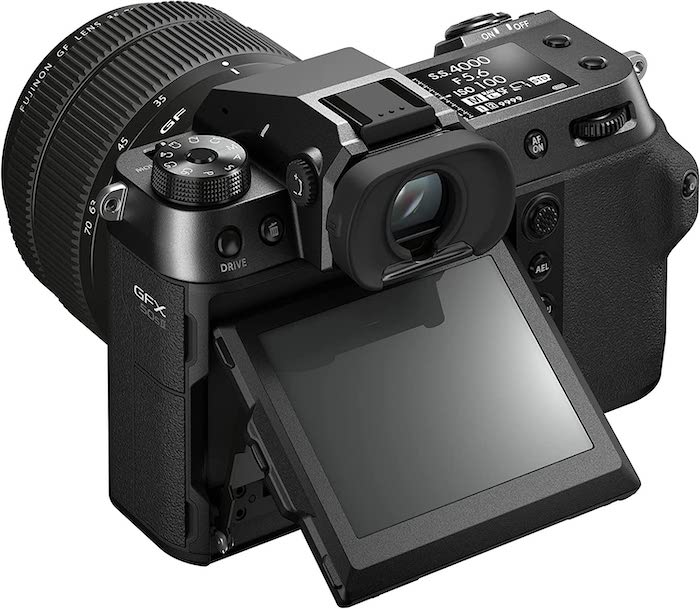
Fujifilm GFX 50S II
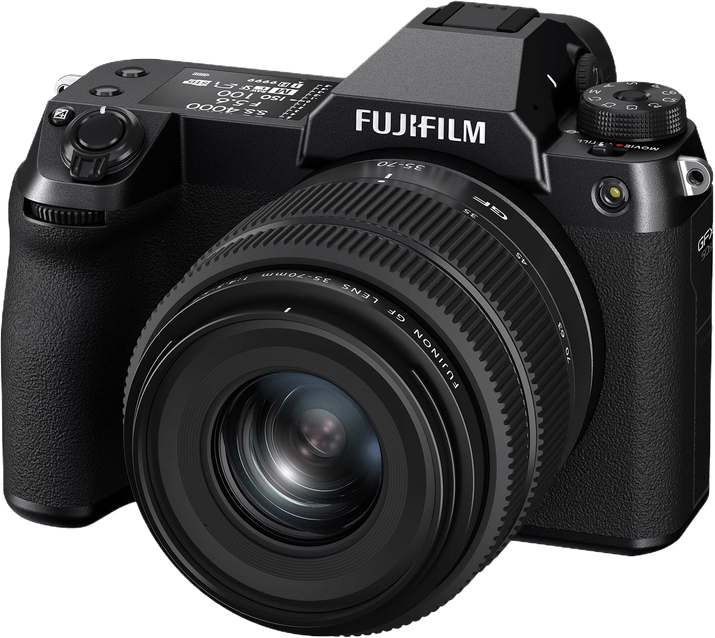
- Resolution
- 51 MP
- Sensor
- Medium Format
- Video
- Full HD
- Weight
- 900 g
Highlights
- Fantastic Fujifilm image quality
- 6.5 stops of in-body image stabilization
- Small and relatively light
- Dual-tilt screen for portrait and landscape formats
- Artistic Film Simulation modes
Trade-Offs
- Unreliable face and eye detection, unavailable in Continuous AF
- Slow contrast-detect autofocus
- Slow 3 fps continuous shooting rate
- No 4K Ultra HD video
- 16-shot stitching only works with a tripod and static subjects
Sony a7R V
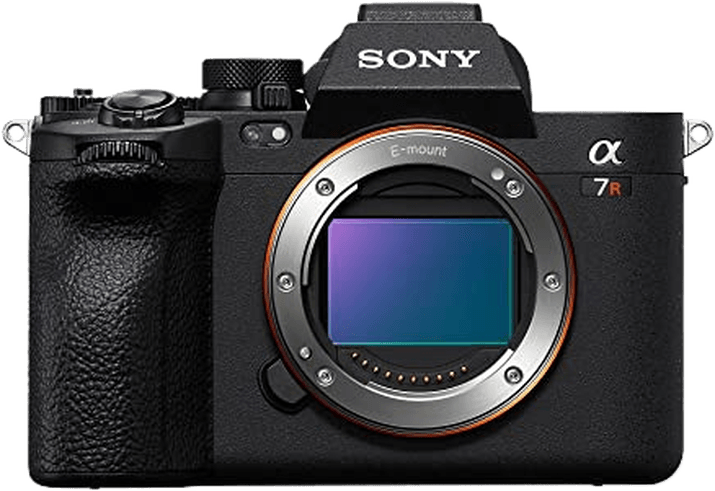
- Resolution
- 61 MP
- Sensor
- Full Frame
- Video
- 8K
- Weight
- 723 g
Highlights
- High-resolution sensor
- Automatic bird or animal eye detection
- Autofocus can track cars, trains, airplanes, and insects
- Big, bright, clear, and sharp electronic viewfinder
- 3.2-inch tilt, flip LCD screen
Trade-Offs
- Slow frame rate of only 10 fps
- Focus stacking can't be done in-camera
- No in-camera RAW processing
- May be unbalanced with a big lens
- Rolling shutter effect with 8K video
Sony a1
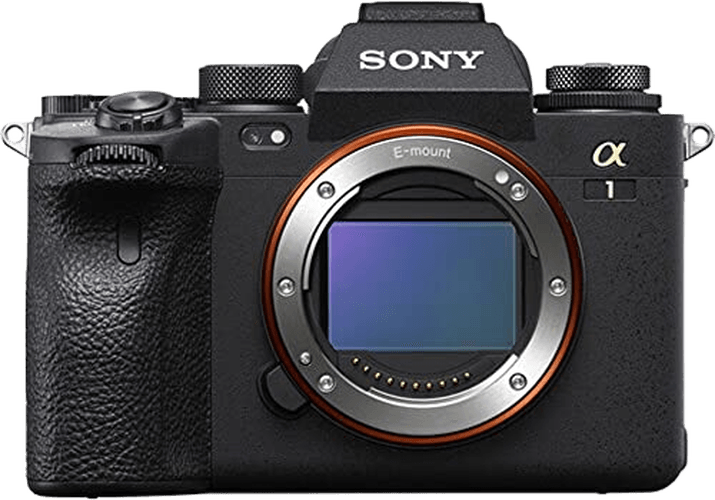
- Resolution
- 50.1 MP
- Sensor
- Full Frame
- Video
- 8K
- Weight
- 737 g
Highlights
- Large sensor captures tons of detail
- High frame rate of 30 fps
- Eye tracking (human, animal, and bird)
- Easy customization
- Silent shooting for quiet situations
- Incredible 8K/30p Ultra HD video
Trade-Offs
- Expensive
- Highest frame rates only for JPEG, HEIF, and lossy compressed RAW files
- Eye tracking only selected manually
- Small rear LCD screen
- No GPS
Nikon Z9
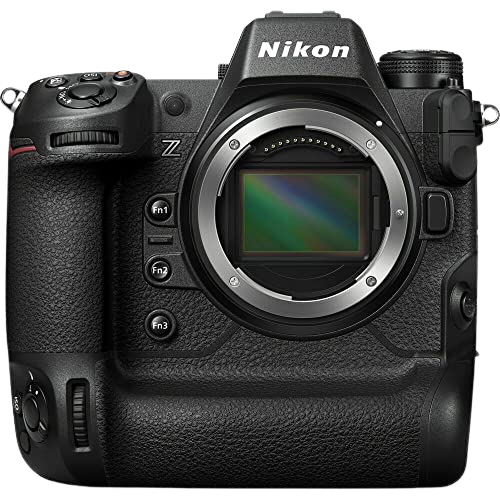
- Resolution
- 46 MP
- Sensor
- Full Frame
- Video
- 8K
- Weight
- 1340 g
Highlights
- Ultra-fast image processor
- High, 120 fps compressed frame rate
- No visible rolling shutter
- Excellent battery life
- 8K/60p Ultra HD video
- Unlimited low-resolution recording
Trade-Offs
- Only 11 MP files at the highest frame
- You can only shoot RAW files at 20 fps
- Tracking can fail with erratic movement
- IBIS not as good as Canon R3
- Autofocus isn't as good for video
- The screen doesn't fully articulate
Nikon Z8
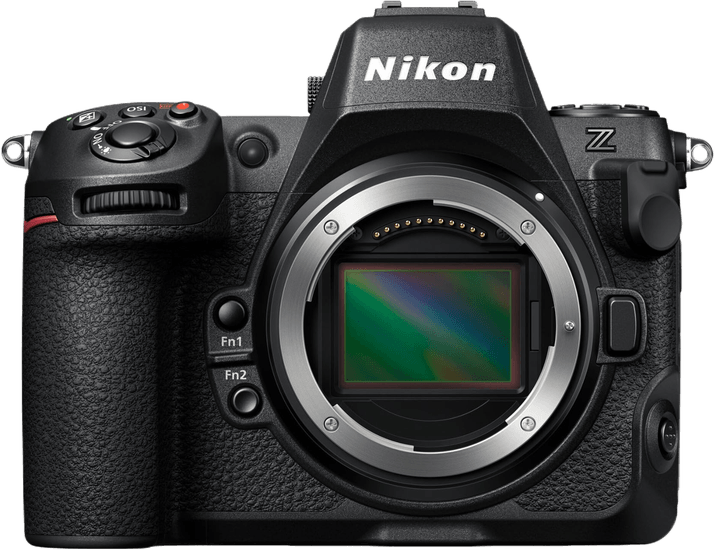
- Resolution
- 46 MP
- Sensor
- Full Frame
- Video
- 8K
- Weight
- 910 g
Highlights
- Excellent 20 fps RAW frame rate (120 fps for JPEG)
- 1/32,000 s max shutter speed
- Up to 6 stops of image stabilization
- Deep buffer (1,000 RAW files)
Trade-Offs
- Average battery life
- No in-built vertical grip
- Only one CFexpress memory card slot, the other is SD
- No voice memo feature
Canon EOS R5
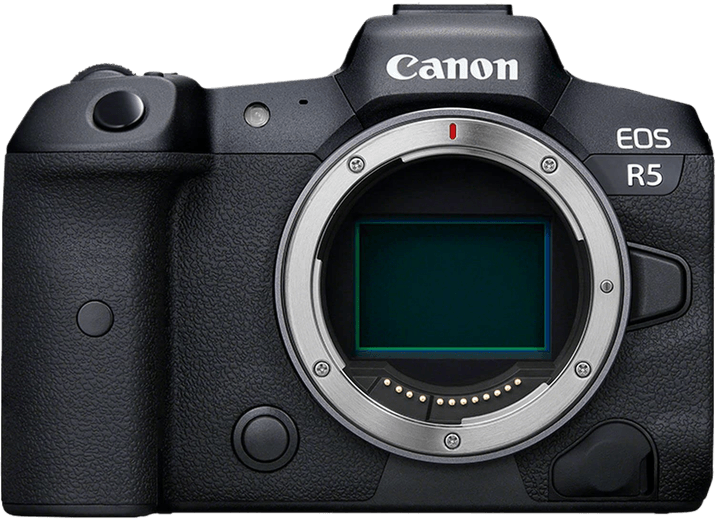
- Resolution
- 45 MP
- Sensor
- Full Frame
- Video
- 8K
- Weight
- 680 g
Highlights
- Large 45 MP sensor
- High frame rate of 20 fps
- In-Body Image Stabilization (IBIS)
- Body, face, eye, and animal tracking
- 8K/30p Ultra HD video
Trade-Offs
- Expensive
- Complicated autofocus setup
- Noise reduction applied to RAW files
- Hard to customize
- Overheats shooting video
Nikon D850
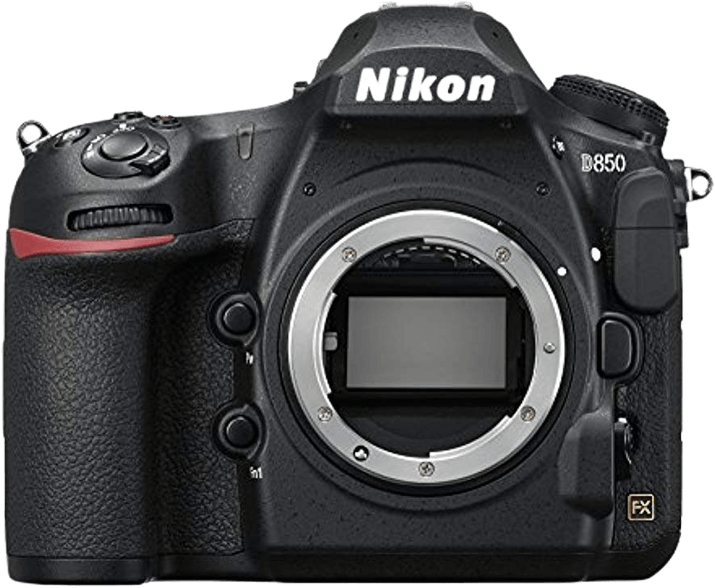
- Resolution
- 45.7 MP
- Sensor
- Full Frame
- Video
- 4K
- Weight
- 1005 g
Highlights
- Fantastic overall image quality
- Excellent 3D continuous AF tracking
- Long, 1,840-shot battery life
- Durable, weather-sealed construction
- Sharp 4K/30p Ultra HD video
Trade-Offs
- No customizable shooting presets
- Slow autofocus in Live View
- Needs an expensive XQD card
- Rolling shutter noticeable in 4K video
- Slow 7 fps or 9 fps with an expensive battery grip
Canon EOS 5D Mark IV
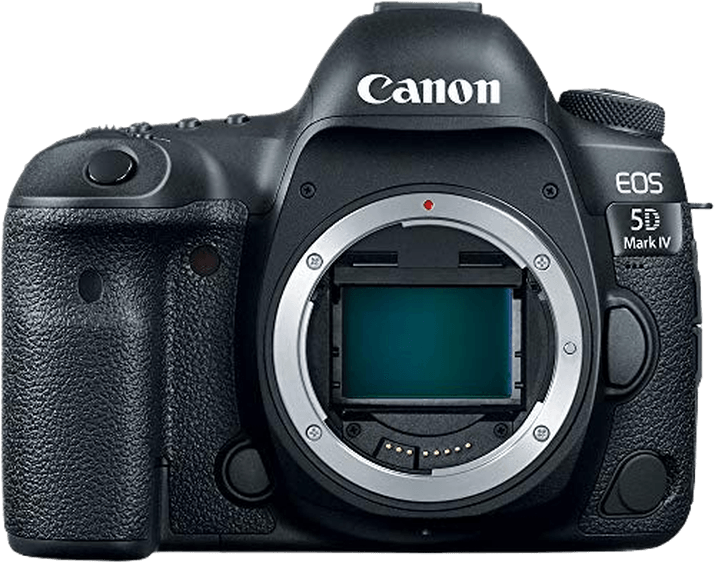
- Resolution
- 30.4 MP
- Sensor
- Full Frame
- Video
- 4K
- Weight
- 890 g
Highlights
- Quality sensor produces detailed and vibrant images even at high ISOs
- Dual Pixel AF with eye detection
- User-friendly touch-to-focus screen
- 900-shot battery life
- Cinema-quality (DCI) 4K video
Trade-Offs
- Unreliable, imprecise subject tracking
- Limited dynamic range
- No in-body stabilization
- No bluetooth
- 64x crop factor with 4K video
Fujifilm X-H2
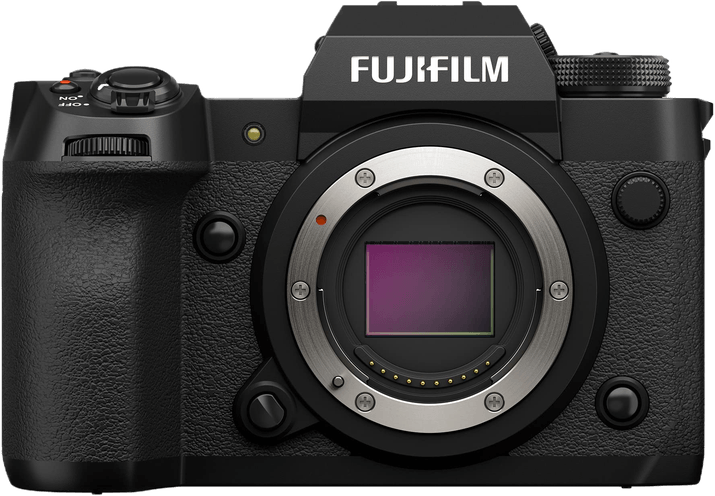
- Resolution
- 40 MP
- Sensor
- APS-C
- Video
- 8K
- Weight
- 660 g
Highlights
- Powerful 40.2 MP APS-C sensor
- Pixel Shift High-Res mode for 160 MP images
- Built-in 5-axis image stabilization
- 8K cinematic video at 30 fps
- 4K recording at 60 fps and Full HD at 240 fps
- Fully weather-sealed body
Trade-Offs
- Expensive for an APS-C camera
- High-res shot mode doesn't always produce the sharpest images
- No shutter or ISO dial on top of the camera
- Certain functions only work with a CFexpress Type B card
- Prone to overheating without additional cooling fan
Canon EOS R7
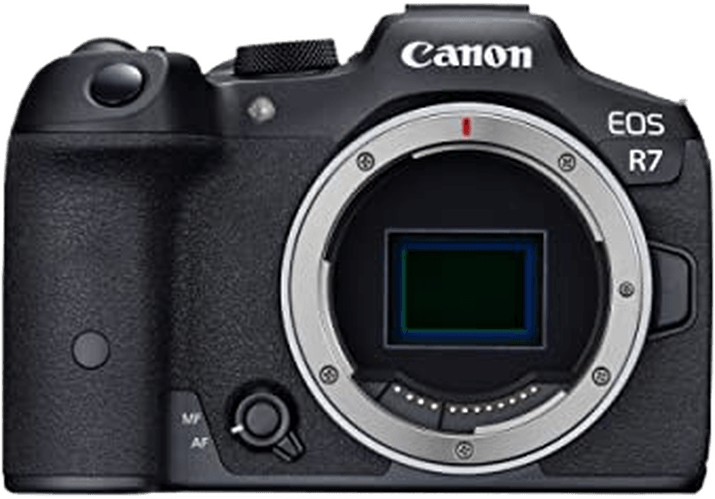
- Resolution
- 33 MP
- Sensor
- APS-C
- Video
- 4K
- Weight
- 612 g
Highlights
- 30 fps burst mode with electronic shutter
- 5-axis sensor-shift image stabilization
- Fully articulating touch screen
- Unlimited, oversampled 4K video
- Animal eye-detect AF for wildlife and pets
Trade-Offs
- Fiddly AF joystick and exposure compensation dial
- Easy to change power switch to video by accident
- No built-in flash
- Limited range of native lenses
- Rolling shutter effect shooting video
Olympus OM-D E-M10 Mark IV
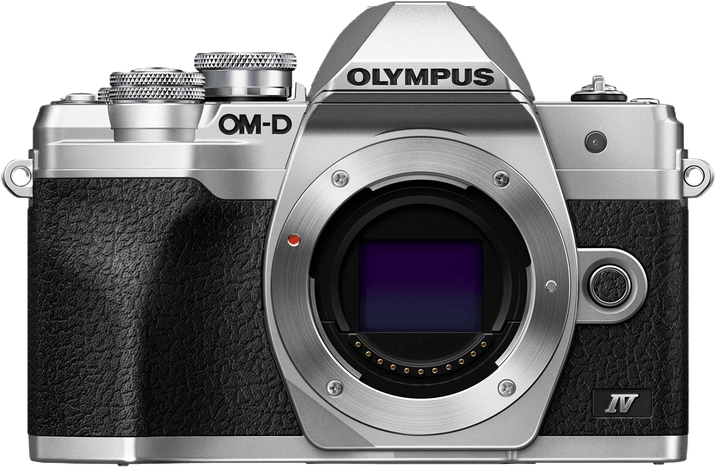
- Resolution
- 20 MP
- Sensor
- Micro Four Thirds
- Video
- 4K
- Weight
- 383 g
Highlights
- Affordable
- Very beginner-friendly
- Excellent image quality
- Built-in image stabilization for video and low light
- Endless list of compatible lenses
- Excellent 4K video features
Trade-Offs
- Small sensor
- AF has slow continuous shooting
- Contrast-detection AF system is slower than phase-detection systems
- No microphone and headphone jacks
- Plastic body and isn't weather sealed
Our Verdict
It’s best to consider your particular needs to find the best camera for product photography. Resolution and sensor size are the most important criteria. But your budget may limit options!
Medium format cameras like the Fujifilm GFX 50S II offer image quality, low-light performance, and dynamic range. But there are more affordable options further down our list.
The trade-off is smaller sensor sizes and lower resolution. So you’ll have to decide how much you want to spend and the specs you need.
If you’re a professional or want to shoot action photography, choose a medium format or full frame camera.
If you want to take pictures of your own wares to sell online, there’s nothing wrong with an APS-C or Micro Four Thirds model. Otherwise, you might blow your whole marketing budget!
Best Camera for Product Photography FAQs
These are answers to frequently asked questions about product photography cameras. We hope they help clarify any questions you might have to find the best camera.
Which Camera Is Best for Product Photography?
Generally, the best camera has a large sensor and plenty of megapixels. The Fujifilm GFX 50S II is among the best if you can afford a medium format model. Otherwise, plenty of full frame cameras like the Sony a7R V, Nikon Z9, and Canon R5 exist.
The point of adding an image to an online sales page is to show the product in the best possible light. So resolution and detail are the most important criteria.
What Is the Best Way to Photograph Products?
Lighting is the most important factor. You really need a two-light set-up or a lightbox to control the conditions. Also, a tripod helps enormously to provide a consistent point of view. After all, you’ll probably be moving and replacing the product rather than the camera!
Do Product Photographers Need Macro Lenses?
Macro lenses are defined as being able to reproduce images at a ratio of 1:1 (or greater). So they’re very handy for product photography. If you get one with a slightly longer focal length (like 105mm), that gives you a little bit more room to work with.