Product specifications and highlights restored from our saved catalogue records. The original article date and recommendations are unchanged.
This article lists the strengths and weaknesses of Sony’s main offerings on various budgets. Whether you’re looking for a high-end, expensive powerhouse like the Sony a1 or a compact like the ZV-1, we’ve got you covered.
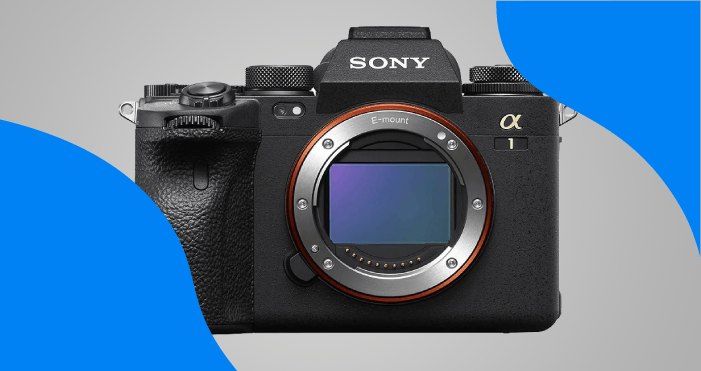
The a1 is probably too expensive for anyone but a professional photographer or a serious enthusiast, so the a7 IV is our recommended model. However, a lot depends on your budget, what you will use it for, and whether you really need 8K or not.

What is the Best Sony Camera for Video?
Let’s take a quick look at the main contenders before we delve into each model in more detail.
10 Best Sony Cameras for Video in Detail
Now let’s examine each camera in detail.
Sony a7 IV
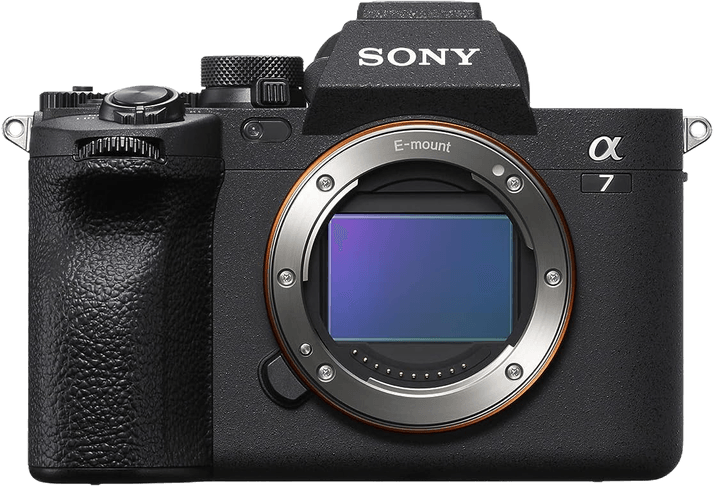
- Resolution
- 33 MP
- Sensor
- Full Frame
- Video
- 4K
- Weight
- 659 g
Highlights
- Powerful video capabilities (4K / 60p, 10-bit video) and live streaming
- Excellent image quality
- 5.5 stops of image stabilization
Trade-Offs
- More expensive than the Sony a7 III
- 6 fps with 14-bit lossless compressed or uncompressed RAW files
- Significant distortion with moving subjects using a silent shutter
- Occasional issues with rolling shutter
- Requires a fast memory card
Sony a1
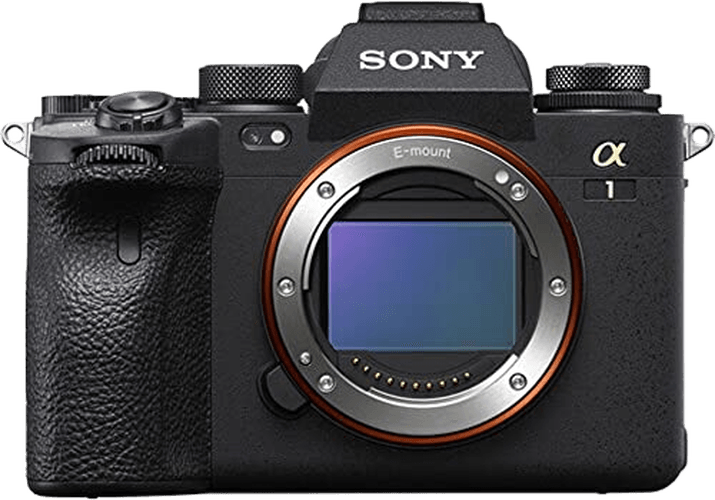
- Resolution
- 50.1 MP
- Sensor
- Full Frame
- Video
- 8K
- Weight
- 737 g
Highlights
- Incredible 8K / 30p Ultra HD video
- Large sensor captures tons of detail
- High frame rate of 30 fps
Trade-Offs
- Expensive
- Highest frame rates only for JPEG, HEIF, and lossy compressed RAW files
- Eye tracking only selected manually
- Small rear LCD screen
- No GPS
Sony a7R IVA
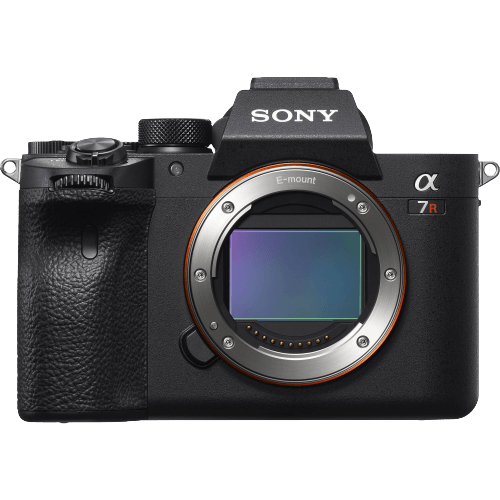
- Resolution
- 61 MP
- Sensor
- Full Frame
- Video
- 4K
- Weight
- 665 g
Highlights
- High resolution 61 MP Full Frame sensor
- Microphone and headphone ports
- Dual memory card slots
Trade-Offs
- Only 7 fps burst rate with uncompressed RAW shooting
- Buffer times can be slow, especially with RAW shooting
- Pixel Shift mode can fail if shots include movement
- No built-in flash
- LCD screen is limited with only tilt-motion and no rotation
Sony a7C
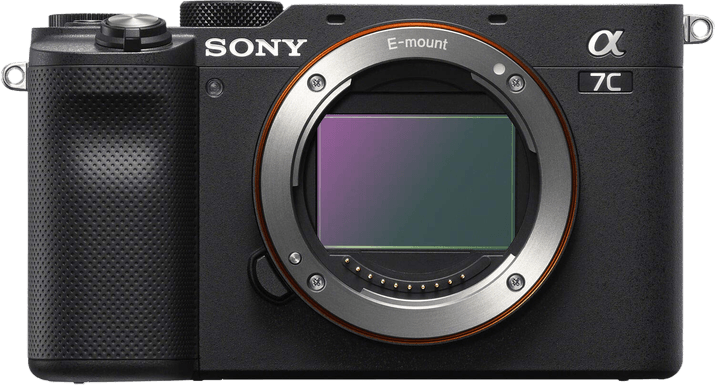
- Resolution
- 24.2 MP
- Sensor
- Full Frame
- Video
- 4K
- Weight
- 509 g
Highlights
- Lightweight full frame body
- Excellent autofocus system
- Good battery life
Trade-Offs
- Only two customizable buttons
- Small electronic viewfinder
- No touchscreen menus
- Only has one memory card slot
Sony a7S III
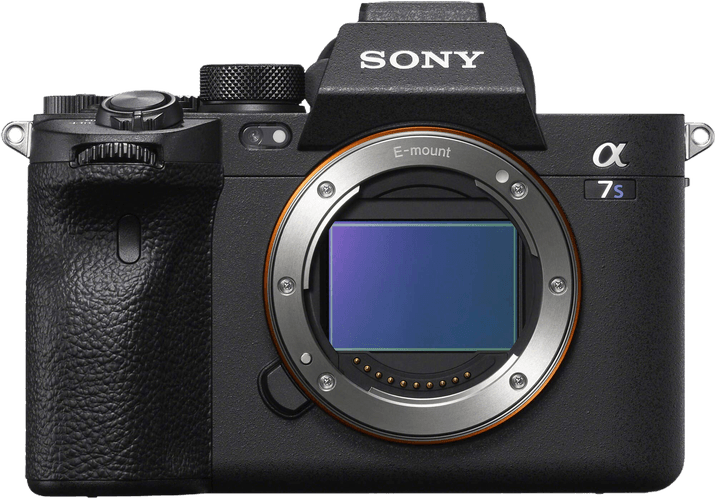
- Resolution
- 12.1 MP
- Sensor
- Full Frame
- Video
- 4K
- Weight
- 699 g
Highlights
- Microphone and headphone ports
- Excellent ISO range
- Fantastic AF system
Trade-Offs
- Pricey
- Low 12.2 MP resolution for photos
- Poor battery performance
- No 8K video
Sony a9 II
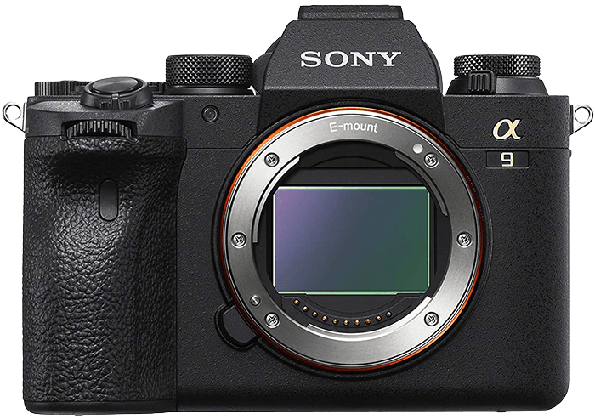
- Resolution
- 24.2 MP
- Sensor
- Full Frame
- Video
- 4K
- Weight
- 678 g
Highlights
- Impressive 20 fps continuous shooting
- Lightning-fast autofocus
- Great file transferring speeds
Trade-Offs
- No in-camera RAW image processing
- Confusing menus
- Battery performance isn't great
- No S-Log video
- Subpar video quality compared to new full-frame cameras
Sony a6600
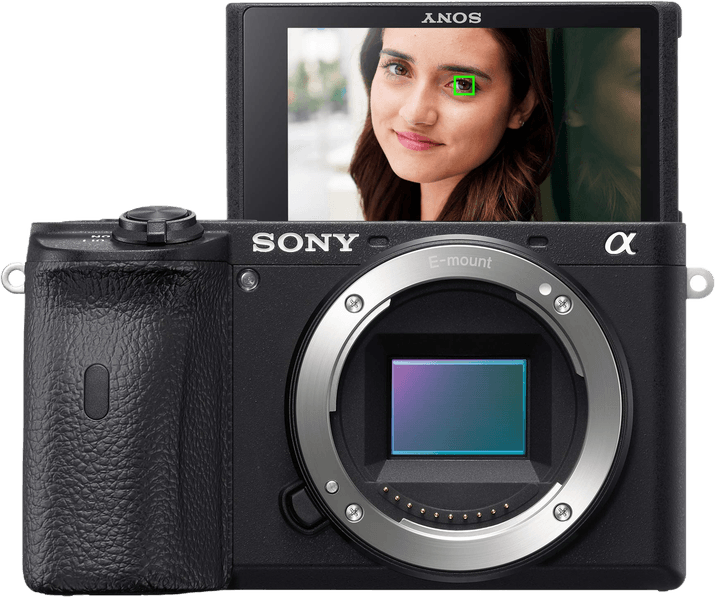
- Resolution
- 24.2 MP
- Sensor
- APS-C
- Video
- 4K
- Weight
- 503 g
Highlights
- Astonishing autofocus
- 5-axis in-body image stabilization reduces camera shake
- Silent shooting
- Terrific battery life
- Small, lightweight camera
Trade-Offs
- Slow buffer speeds
- Controls feel cramped with large hands
- Limited touchscreen controls
- No pop-up flash
- Rolling shutter recording video
Sony ZV-1
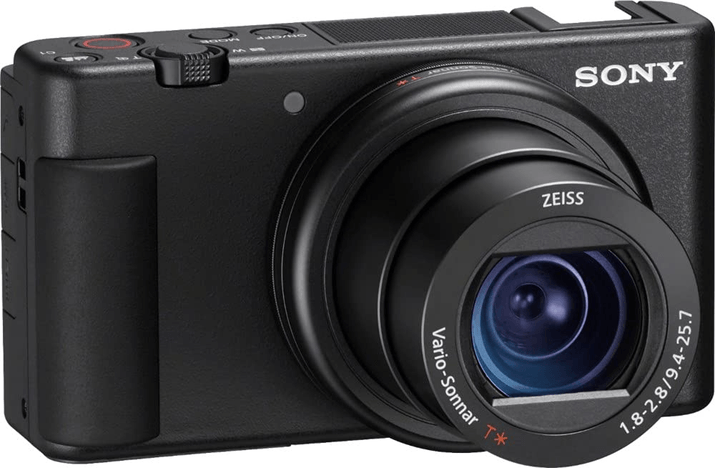
- Resolution
- 20 MP
- Sensor
- 1"
- Video
- 4K
- Weight
- 294 g
Trade-Offs
- Poor image stabilization
- Disappointing battery life with video
- Fixed lens is not a wide-angle
- Not all Mac operating systems support webcam software
Sony a6400
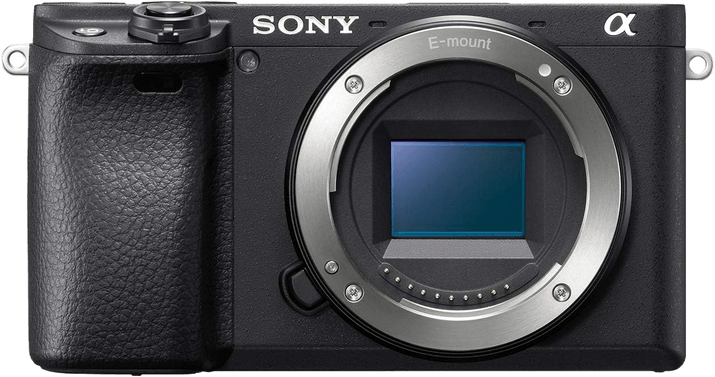
- Resolution
- 24.2 MP
- Sensor
- APS-C
- Video
- 4K
- Weight
- 403 g
Trade-Offs
- No in-camera RAW image editing
- No in-body image stabilization
- Screen tilts but no further articulation
- Complicated menu system
Sony ZV-E10
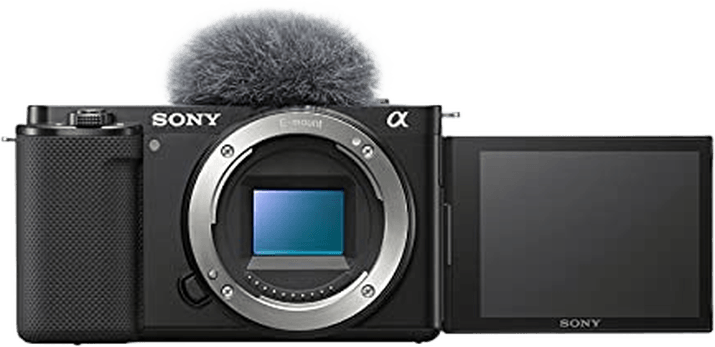
- Resolution
- 24 MP
- Sensor
- APS-C
- Video
- 4K
- Weight
- 343 g
Highlights
- Top-end autofocus system that's great with photo and video
- No time limit on video recording
- Fully articulating screen and selfie modes
Trade-Offs
- No sensor-shift stabilization, only a shake reduction system
- Visible rolling shutter effect with tracking shots
- The lack of a viewfinder is disappointing
- 4K video is cropped at 30 fps
Our Verdict
There’s a Sony camera on this list for almost anyone wanting to shoot video—whatever their circumstances. If you want the absolute best money can buy, there’s nothing better than the Sony a1. However, it comes with a hefty price tag!
If you want a slightly cheaper full frame mirrorless camera, the a7 IV is probably the best option. However, there are several other models that might fit the bill.
Alternatively, if you’re a vlogger or you like to travel, the a6600 or the ZV-1 might be right up your street.

Common Best Sony Camera for Video FAQs
Which camera brand is best for videography?
The three most important camera manufacturers are Nikon, Canon, and Sony. Nikon and Canon traditionally had the DSLR market sewn up. However, Sony came along with various mirrorless offerings and revolutionized camera production. Sony cameras now offer a great combination of 4K+ video and market-leading autofocus systems.
Are Sony cameras good for filmmaking?
Mirrorless cameras are generally better than DSLRs for videography, and Sony has been making them for longer than most. That experience and the extensive range of lenses make Sony cameras a good buy for would-be vloggers and videographers.
Which Sony camera is best for wedding videography?
It depends on the brief. Some couples may want the absolute highest quality, which is 8K. In that case, you’ll have to splash out on a Sony a1. However, if they prefer a candid, intimate feel with more handheld footage, you might prefer a lighter, more portable model such as the a6600 or ZV-1. They’ll still give you 4K footage, but without the backache!
What Sony camera do vloggers use?
The most important criterion in choosing a camera for vlogging is having a fully articulating touch screen. It makes life so much easier when you can actually see what you’re recording. Yes, you could always buy an external monitor, attach it to the hot shoe, and turn it 180°. However, that would add another few hundred dollars to the price and make the camera a lot heavier and more unwieldy. It’s much simpler to choose a model such as the a7S III, ZV-1, or ZV-E10.
Is the Sony a7 good for videography?
Yes, the a7 IV is our top recommendation and offers 4K video with Real-Time Eye AF, SteadyShot image stabilization, and many custom options. The a7S III is great for vlogging, travel, and low-light conditions. It’s also aimed specifically at videographers. That means you get 4K video (with full pixel readout), IBIS, excellent autofocus, HDMI connectivity, and many picture profiles.

We have great new articles comparing Sony vs Canon mirrorless or Sony vs Nikon mirrorless cameras to explore next!