Product specifications and highlights restored from our saved catalogue records. The original article date and recommendations are unchanged.
This is also a photography genre where mirrorless cameras have less advantage over DSLRs. Yes, it’s nice to have a “what you see is what you get” viewfinder to check the exposure and white balance. But it’s not as important if you’re shooting tethered to your computer or tablet.
Other factors also come into play, such as connectivity and access to a wide range of macro and tilt-shift lenses. But it’s taking Canon and Nikon time to offer a complete range of lenses for mirrorless cameras. So a Canon or Nikon DSLR might be better for jewelry photography.
What Is the Best Camera for Jewelry Photography?
Here’s a quick summary of the best cameras for jewelry photography. The flagship products of each camera brand are just not worth the money for jewelry photography. But I’ve tried to include a selection of full frame and APS-C models suitable for all budgets!

I’ve sorted the list roughly by sensor size and resolution, which are the most important factors. And they’re all capable of tethered shooting if you prefer that.
Mirrorless models have the advantage of WYSIWYG viewfinders (This stands for ‘what you see is what you get’). And they provide an excellent upgrade path. But I’ve included a few DSLRs for those who prefer the optical viewfinder or the ergonomics.
It depends on what you already have in your camera bag and whether you need a new camera for more than just jewelry photos. If you want to know more about photographing jewelry or which camera to buy, read the FAQs at the end of this article.
Best Camera for Jewelry Photography in Detail
Now let’s have a more detailed look at each camera.
Sony a7R V
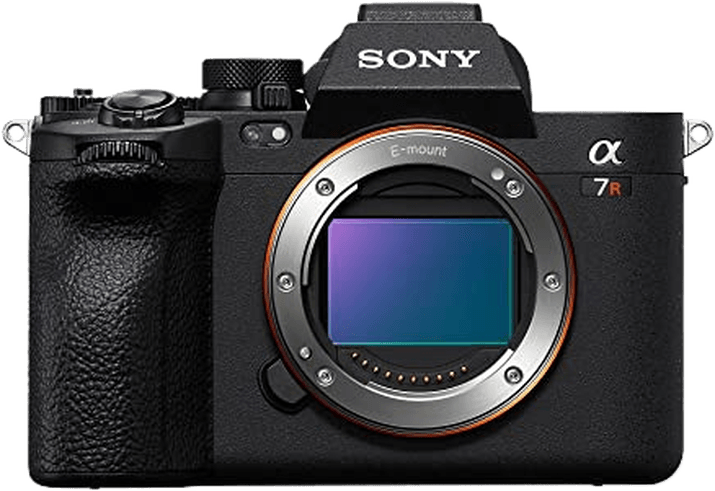
- Resolution
- 61 MP
- Sensor
- Full Frame
- Video
- 8K
- Weight
- 723 g
Highlights
- High-resolution sensor
- Automatic bird or animal eye detection
- Autofocus can track cars, trains, airplanes, and insects
- Big, bright, clear, and sharp electronic viewfinder
- 3.2-inch tilt, flip LCD screen
Trade-Offs
- Slow frame rate of only 10 fps
- Focus stacking can't be done in-camera
- No in-camera RAW processing
- May be unbalanced with a big lens
- Rolling shutter effect with 8K video
Nikon Z7 II
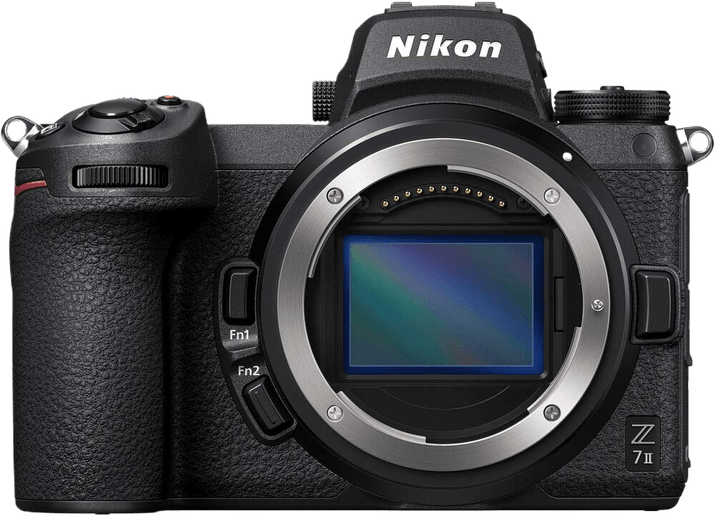
- Resolution
- 45.75 MP
- Sensor
- Full Frame
- Video
- 4K
- Weight
- 705 g
Trade-Offs
- Disappointing battery life of 420 shots
- Tilt screen has limited flexibility
- Limited lens range
- Slow frame rate of 10 fps in continuous shooting speed
Sony a7 IV
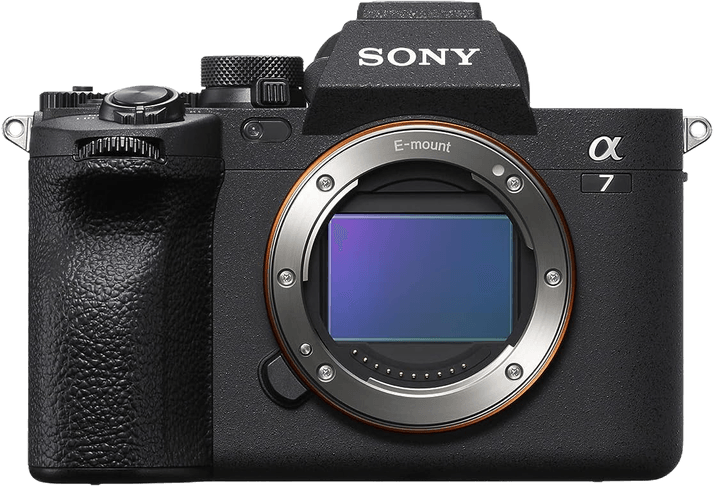
- Resolution
- 33 MP
- Sensor
- Full Frame
- Video
- 4K
- Weight
- 659 g
Trade-Offs
- More expensive than the Sony a7 III
- 6 fps with 14-bit lossless compressed or uncompressed RAW files
- Significant distortion with moving subjects using a silent shutter
- Occasional issues with rolling shutter
- Requires a fast memory card
Canon EOS R6 Mark II
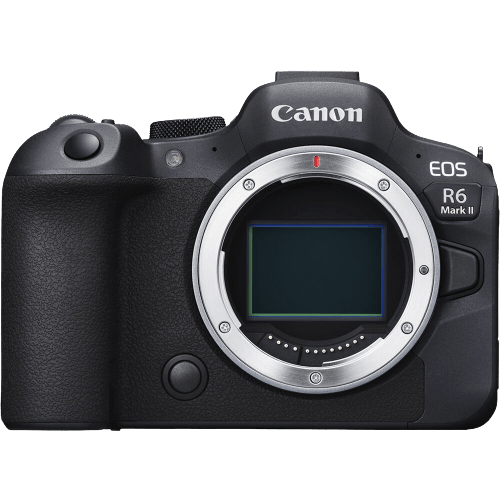
- Resolution
- 24 MP
- Sensor
- Full Frame
- Video
- 4K
- Weight
- 588 g
Highlights
- Excellent dynamic range and low-light performance
- Advanced autofocus with object-detection
- High-speed 40-fps burst mode
- Built-in image and video stabilization
- Ultra-smooth 4K/60p video and webcam functionality
Trade-Offs
- 24.2 MP resolution low for full-frame mirrorless
- Not many big improvements from the EOS R6 Mark I
- Disappointing 360-shot battery life
- Camera body can get hot when using advanced features
Fujifilm X-T5
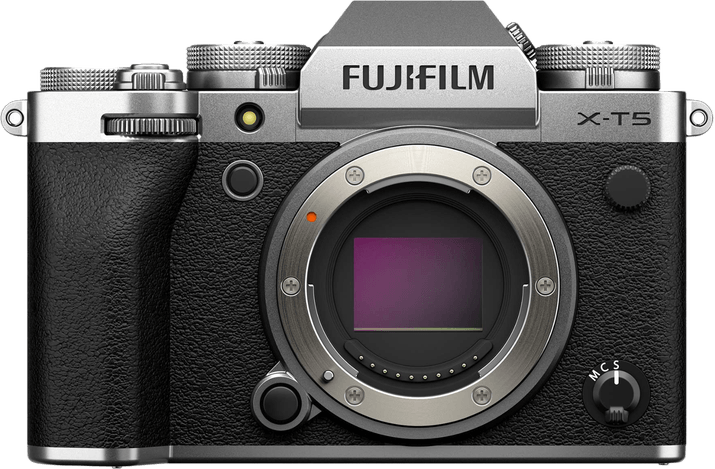
- Resolution
- 40 MP
- Sensor
- APS-C
- Video
- 6K
- Weight
- 557 g
Highlights
- Incredible 40.2 MP resolution from an APS-C sensor
- AF uses AI to identify and track moving subjects
- Built-in 5-axis image stabilization
- Pixel Shift Multi-Shot mode for ultra high-resolution photos
- Long-lasting, 680-shot battery
- Outstanding 6.2K video recording
Trade-Offs
- 40.2 MP resolution creates large files for storage
- Lowest ISO is 125, not 100
- Limited RAW buffer for full-resolution burst shooting
- Rolling-shutter effect is sometimes visible with video
- Video has a 1.23x crop factor at full resolution
Canon EOS R
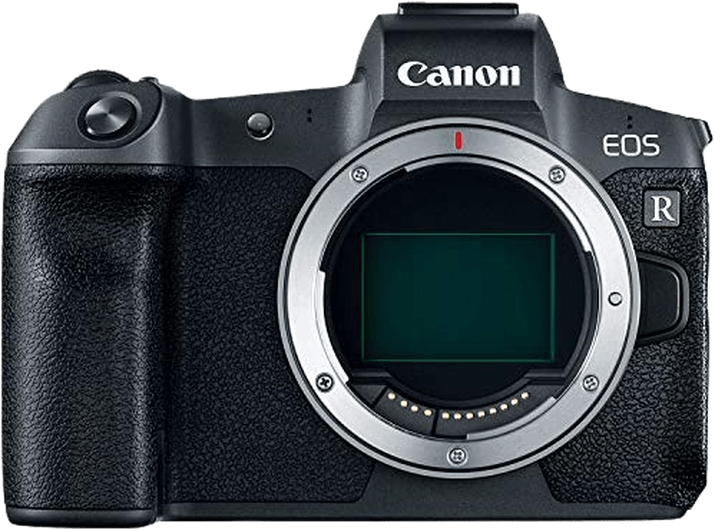
- Resolution
- 30.3 MP
- Sensor
- Full Frame
- Video
- 4K
- Weight
- 485 g
Highlights
- Excellent autofocus system
- Excellent ISO range
- Ergonomic camera body
- Responsive and articulating touchscreen
Trade-Offs
- No in-body image stabilization
- 4K video is cropped
- No dual SD card slot
- Limited battery life compared to DSLR
Nikon D850
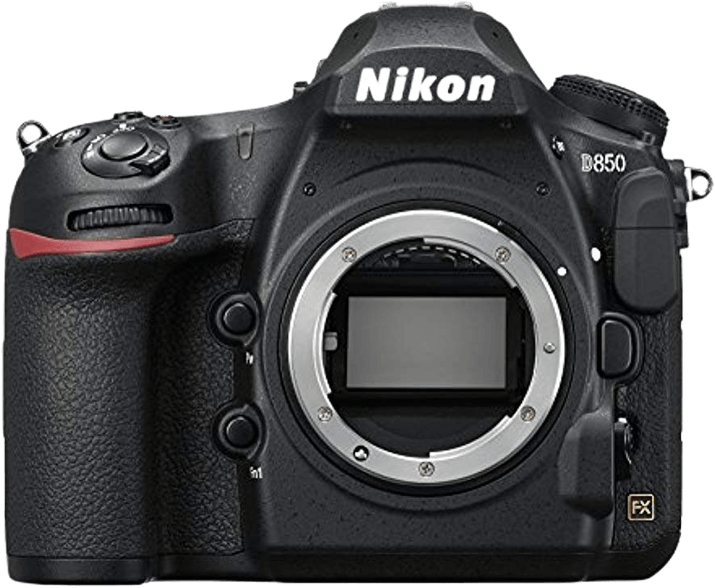
- Resolution
- 45.7 MP
- Sensor
- Full Frame
- Video
- 4K
- Weight
- 1005 g
Highlights
- Fantastic overall image quality
- Excellent 3D continuous AF tracking
- Long, 1,840-shot battery life
- Durable, weather-sealed construction
- Sharp 4K/30p Ultra HD video
Trade-Offs
- No customizable shooting presets
- Slow autofocus in Live View
- Needs an expensive XQD card
- Rolling shutter noticeable in 4K video
- Slow 7 fps or 9 fps with an expensive battery grip
Canon EOS 5D Mark IV
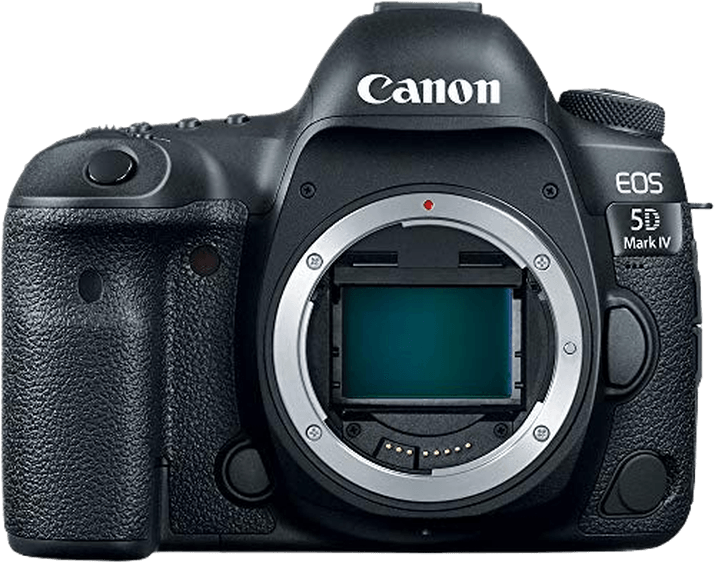
- Resolution
- 30.4 MP
- Sensor
- Full Frame
- Video
- 4K
- Weight
- 890 g
Highlights
- Quality sensor produces detailed and vibrant images even at high ISOs
- Dual Pixel AF with eye detection
- User-friendly touch-to-focus screen
- 900-shot battery life
- Cinema-quality (DCI) 4K video
Trade-Offs
- Unreliable, imprecise subject tracking
- Limited dynamic range
- No in-body stabilization
- No bluetooth
- 64x crop factor with 4K video
Canon EOS Rebel T8i / 850D
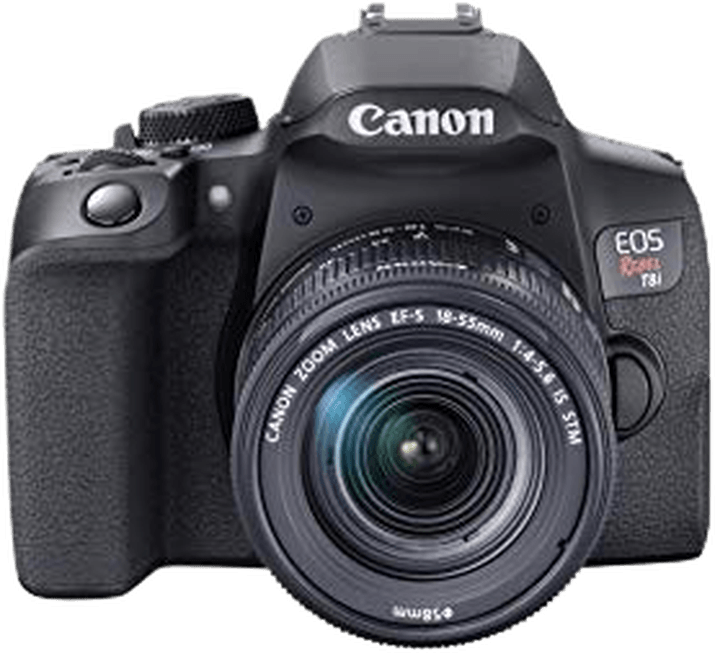
- Resolution
- 24 MP
- Sensor
- APS-C
- Video
- 4K
- Weight
- 515 g
Highlights
- Excellent image quality
- Face and eye-detection AF
- Great ISO range and low-light performance
- 4K/25p and Full HD/120p video
- Webcam functionality and remote shooting with smartphone
Trade-Offs
- Fiddly control dials
- Less reliable AF in video mode
- Small optical viewfinder display
- Cropped 4K video
Canon EOS 70D
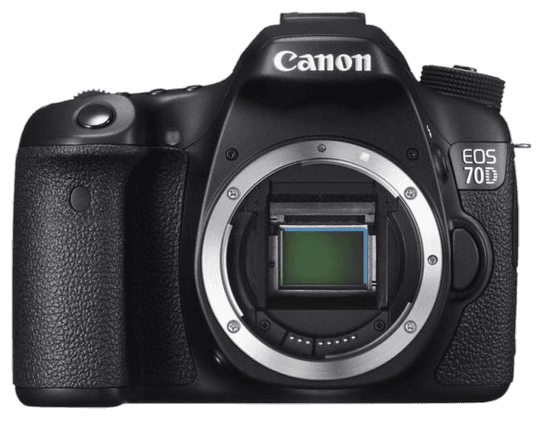
- Resolution
- 20.2 MP
- Sensor
- APS-C
- Video
- Full HD
- Weight
- 755 g
Highlights
- Silent shutter mode
- Touch tracking
- Creative filters
- Touchscreen
- Built-in Wi-Fi
Trade-Offs
- Only one SD card slot
- No 4K video
- LCD blacks out in burst in live view
- No subject tracking in burst mode
- Electronic level doesn't show pitch
Our Verdict
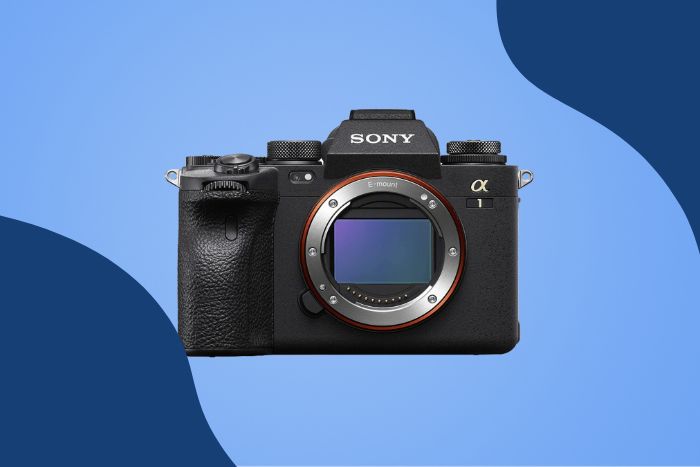
The best camera for jewelry photography needs a high-res sensor. And it’s best if it works with a good tilt-shift or macro lens. Plus, it should have the ability to shoot tethered. That being the case, you must ask yourself if you need a flagship camera. High-end models are generally expensive—especially the Sony a1!
Jewelry photos aren’t as demanding as wildlife or sports. So you should “date your camera, but marry your glass.” The best camera for jewelry photography doesn’t need a fast frame rate, great autofocus, or 4K video.
So you might be better off with a slightly more affordable one, such as the Sony a7R V or the Nikon Z7 II. But if you prefer a DSLR camera or want to keep your lenses, pick a Nikon D850 or a Canon EOS 5D Mark IV.
Best Camera for Jewelry Photography FAQs
Here are answers to some of the most-asked question about cameras for jewelry.
Which Camera Is Best for Jewelry?
A full frame, high-resolution sensor camera is best. But other factors come into play. These include access to a compatible macro lens and the ability to shoot tethered to your computer, tablet, or smartphone.
The main criteria for a high-quality camera are usually sensor size, frame rate, and autofocus. But the frame rate doesn’t matter as you aren’t shooting moving subjects. And you’ll probably be using manual focus.
What Is the Best Way to Photograph Jewelry?
Use a tripod and a lightbox for soft, consistent lighting. And tethered shooting is a great way to get framing, exposure, and sharpness feedback. For best camera settings, shoot at base ISO with a narrow aperture for the right depth of field.
Shooting in RAW and using an 18% grey card will help you adjust the white balance. And using a polarizing filter means brighter, more saturated colors with minimal glare or reflections.

You can either focus manually or use autofocus with manual override. Plus, focus stacking is another option to keep the whole item sharp.
A white background is best. But you can also use a model, display busts, or transparent plastic wire for necklaces. Just make sure you clean and polish the items in advance. You should also take group and individual shots at different angles.
Do Jewelry Photographers Need Macro Lenses?
A macro lens is often useful for smaller items or larger-size prints. But a short zoom will also work, such as an 18-55mm—especially for online images. Macro lenses enable you to produce images at life-size (1:1). Plus, they usually have a minimum focusing distance of only a few inches.
A longer focal length, like 105mm, will give you a more magnified image at the same distance. Or it lets you shoot from slightly further away. Another alternative is a tilt-shift lens, which will give you a greater depth of field.
How Do You Take Professional Pictures of Jewelry?
Photographing jewelry professionally involves preventing unsightly reflections. For that, you need a controlled studio environment. If you shoot tethered with a tripod and lightbox, you can adjust your setup until everything’s perfect.
The light you get from a light box might be too soft to add sparkle to precious stones such as diamonds. So you might have to add a bright LED at 45 degrees. If using multiple lights, ensure the color temperatures are the same.
We hope you picked up some good tips from this article. If you’re still unsure which camera to go for, you can try our camera comparison tool or camera finder quiz next!