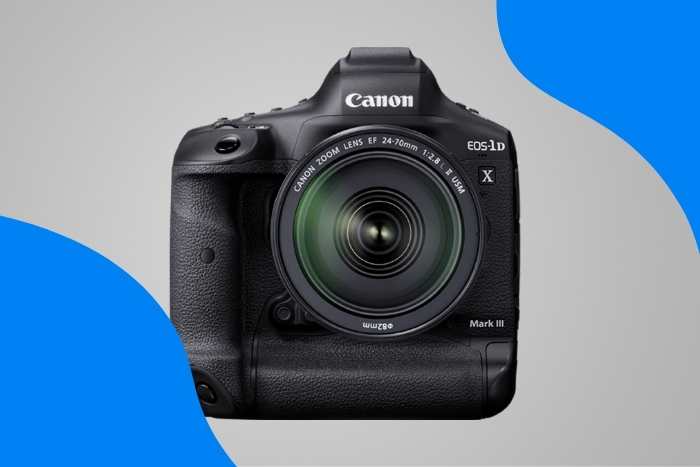
Product specifications and highlights restored from our saved catalogue records. The original article date and recommendations are unchanged.
You sacrifice resolution. But an APS-C is a great first DSLR camera. It’s a stepping stone to bigger and better things. Almost all the best budget DSLR cameras on our list are APS-C models, such as the Nikon D500. They all have an optical viewfinder.
If you want to jump in with both feet, you can buy a full frame DSLR like the Canon EOS 5D Mark III. But they’re much more expensive—especially once you’ve bought lenses and accessories. A mirrorless camera is also an option for beginners, but this article will focus on DSLRs.
My first camera was a full frame SLR, but that was back in the days of film, and a lot’s changed since then! Fortunately, digital cameras have made the world of photography much more accessible. I’m glad I no longer have to buy film and pay for processing!
What are the Best Budget DSLR Cameras for Beginners?
Let’s take a quick look at the best budget DSLR cameras on the market. These affordable cameras range between $300 and $1700 at the time of writing.
- Nikon D500
- Pentax K-3 Mark III
- Nikon D7500
- Canon EOS 90D
- Canon EOS Rebel T8i / 850D
- Nikon D3500
- Canon EOS Rebel SL3 / 250D
- Nikon D5600
- Nikon D5300
- Pentax K-70
- Canon EOS 5D Mark III
- Pentax KP
- Canon EOS 77D
- Pentax K-1 Mark II
- Canon EOS Rebel T100 / 4000D
15 Best Budget DSLR Cameras in Detail
It’s time to dive in and look at all your options in more detail. These are beginner DSLRs with options for interchangeable lenses. They have some flaws. But they are perfect for photographers just starting.
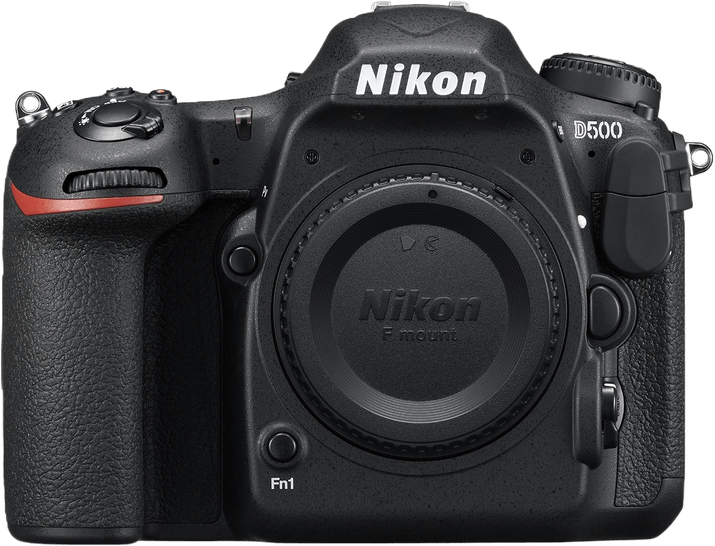
Nikon D500
- Resolution
- 20.9 MP
- Sensor
- APS-C
- Video
- 4K
- Weight
- 860 g
Highlights
- Excellent low-light performance
- 10 fps RAW burst with 200-image limit
- Weather-sealed body
- Long-lasting battery life
- 4K video with ports for external sound recording
Trade-Offs
- Low resolution for an APS-C Sensor
- No advanced bird or animal AF
- Slow AF in Live View
- Heavy DSLR body
- 4K video is cropped
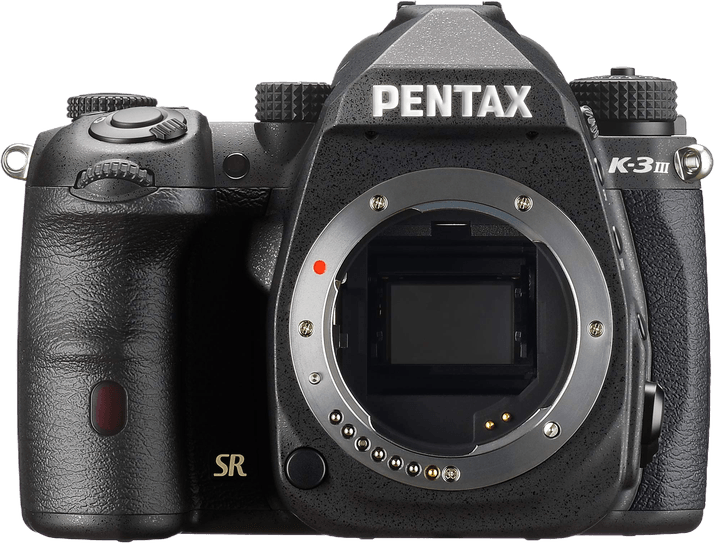
Pentax K-3 Mark III
- Resolution
- 26 MP
- Sensor
- APS-C
- Video
- 4K
- Weight
- 820 g
Trade-Offs
- Expensive for an APS-C DSLR
- Only 25 shots in buffer
- Only accepts slower SD cards
- Fixed LCD and joystick can't be used in menu system
- Heavy 4K crop, only 8-bit video
Nikon D7500
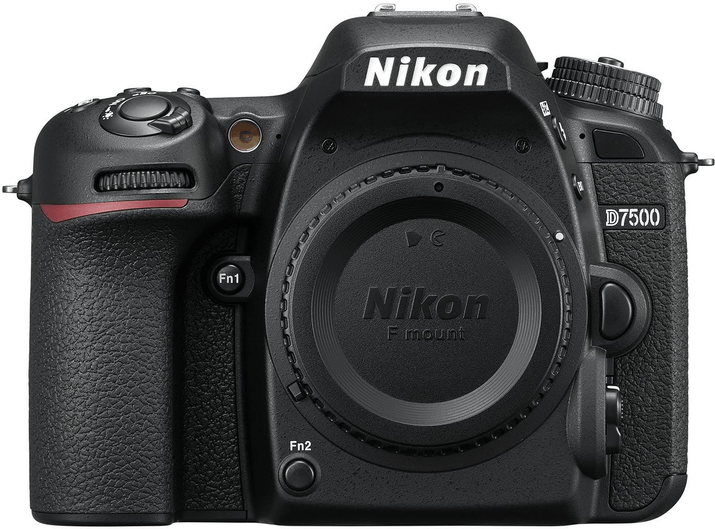
- Resolution
- 20.9 MP
- Sensor
- APS-C
- Video
- 4K
- Weight
- 720 g
Trade-Offs
- Images not as sharp as other cameras
- Limited to crop sensor (DX) lenses
- No USB charging
- Just one memory card slot
Canon EOS 90D
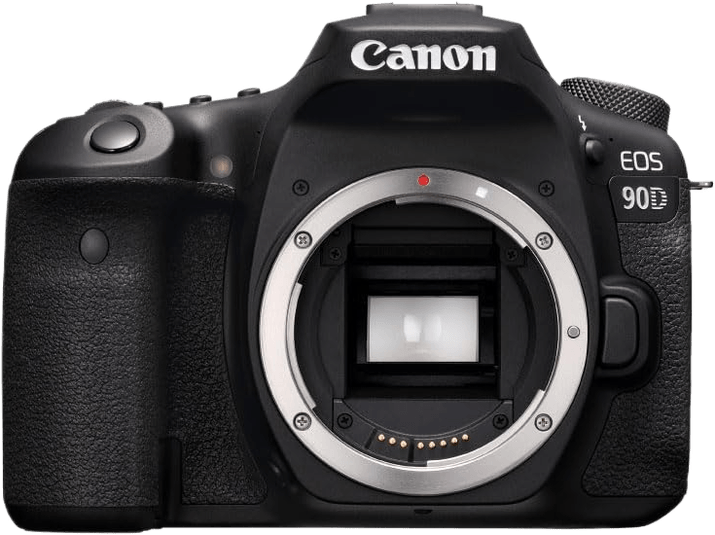
- Resolution
- 33 MP
- Sensor
- APS-C
- Video
- 4K
- Weight
- 701 g
Highlights
- Excellent 32.5 MP APS-C sensor
- Dual Pixel AF with eye detection
- Decent frame rate of 10 fps
- Good, 1,300-shot battery life
- Live View and 4K/30p Ultra HD video
Trade-Offs
- Unreliable autofocus when using the optical viewfinder
- 4K video has a soft focus
- No in-body image stabilization
- Limited video codecs and frame rates
Canon EOS Rebel T8i / 850D
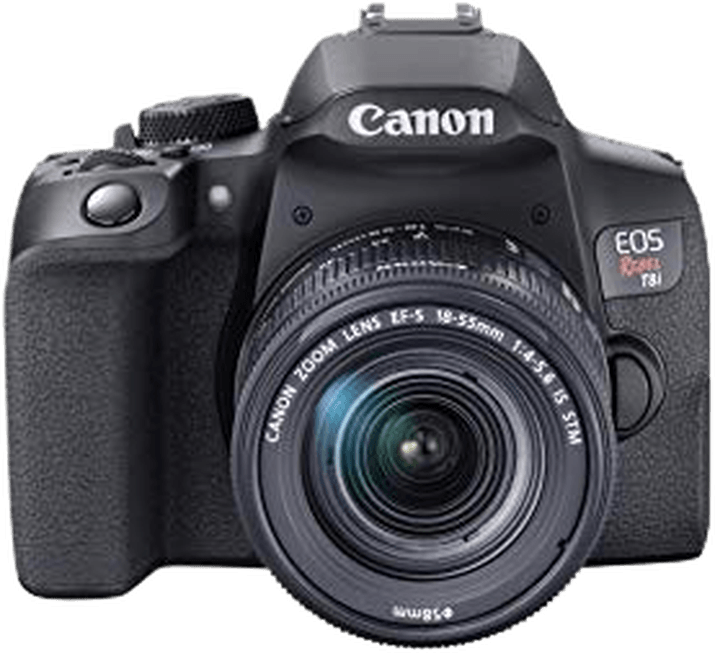
- Resolution
- 24 MP
- Sensor
- APS-C
- Video
- 4K
- Weight
- 515 g
Highlights
- Excellent image quality
- Face and eye-detection AF
- Great ISO range and low-light performance
- 4K/25p and Full HD/120p video
- Webcam functionality and remote shooting with smartphone
Trade-Offs
- Fiddly control dials
- Less reliable AF in video mode
- Small optical viewfinder display
- Cropped 4K video
Nikon D3500
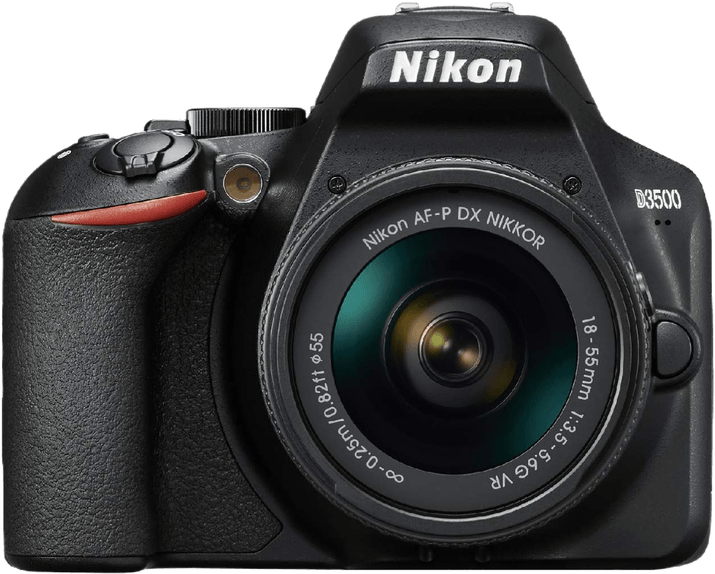
- Resolution
- 24 MP
- Sensor
- APS-C
- Video
- Full HD
- Weight
- 615 g
Trade-Offs
- No touchscreen
- No 4K video
- No Wi-Fi, only Bluetooth
- Screen does not rotate
Canon EOS Rebel SL3 / 250D
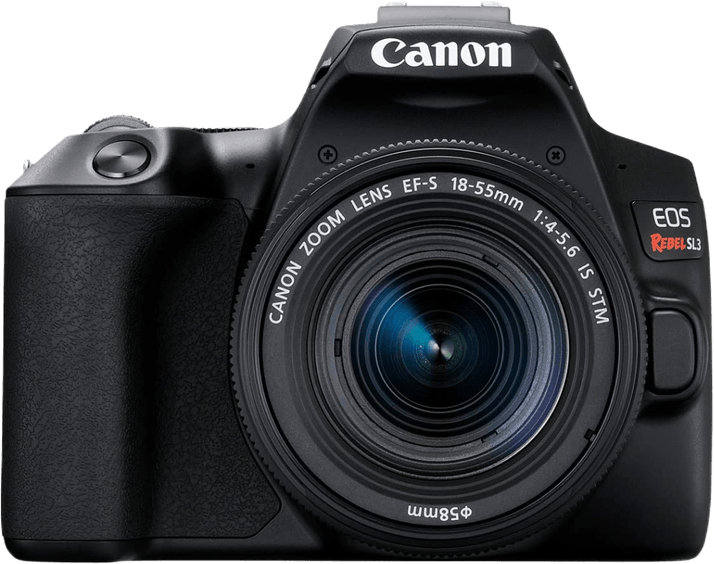
- Resolution
- 24 MP
- Sensor
- APS-C
- Video
- 4K
- Weight
- 449 g
Trade-Offs
- Only 9 autofocus points
- Lacks in-body image stabilization
- No USB charging
- No weather sealing
- 1.7x 4K crop factor
Nikon D5600
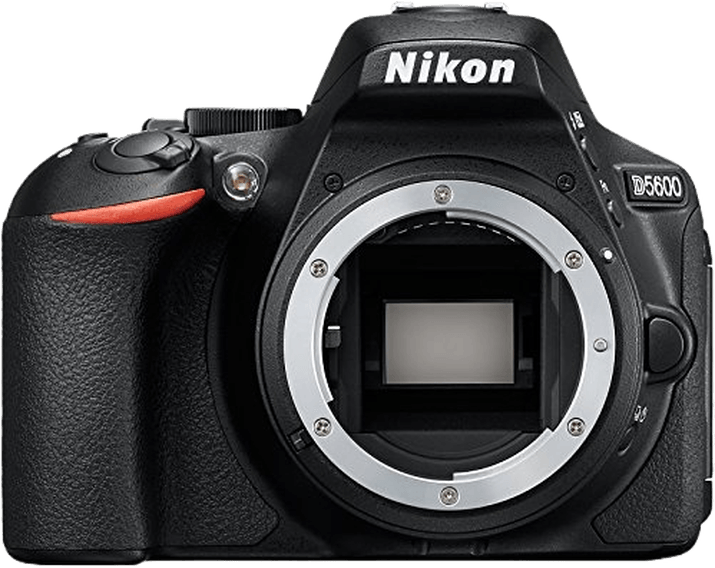
- Resolution
- 24.2 MP
- Sensor
- APS-C
- Video
- Full HD
- Weight
- 465 g
Trade-Offs
- Autofocus isn't great in video mode
- No dual memory card slots
- No USB charging
- No Nikon Fine-Tune function to adjust AF for specific lenses
Nikon D5300
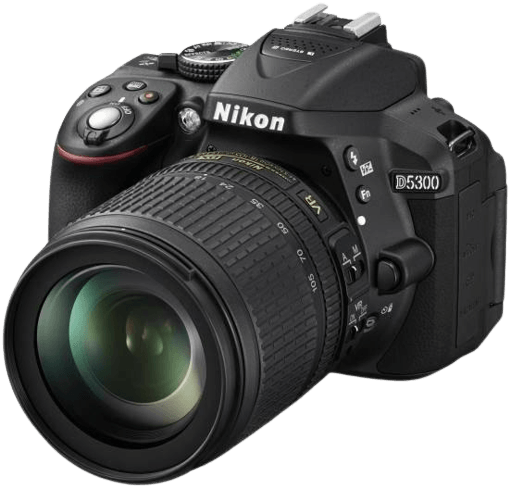
- Resolution
- 24.2 MP
- Sensor
- APS-C
- Video
- Full HD
- Weight
- 480 g
Trade-Offs
- Laggy live view
- No live view preview of aperture changes
- Slow live view autofocus
- No 4K video
- Info screen hard to read
Pentax K-70
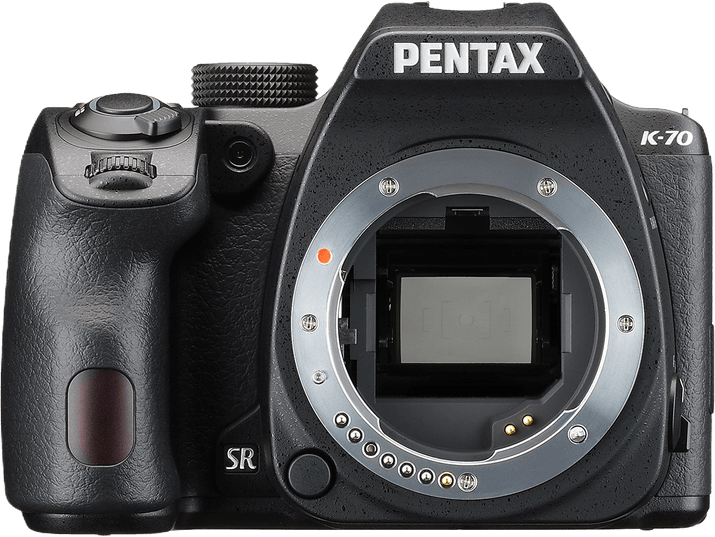
- Resolution
- 24 MP
- Sensor
- APS-C
- Video
- Full HD
- Weight
- 688 g
Highlights
- Brilliant low-light performance with a wide ISO range
- Excellent image quality and sensor
- Built-in image stabilizer reduces camera shake
- High-quality pentaprism viewfinder
- Durable body with full weather sealing
Trade-Offs
- Limited AF system for fast-moving subjects
- Slow buffering when shooting in RAW
- Slow max burst speed of 6 fps
- Poor connecting Wi-Fi app
- Only Full HD video, no 4K recording
Canon EOS 5D Mark III
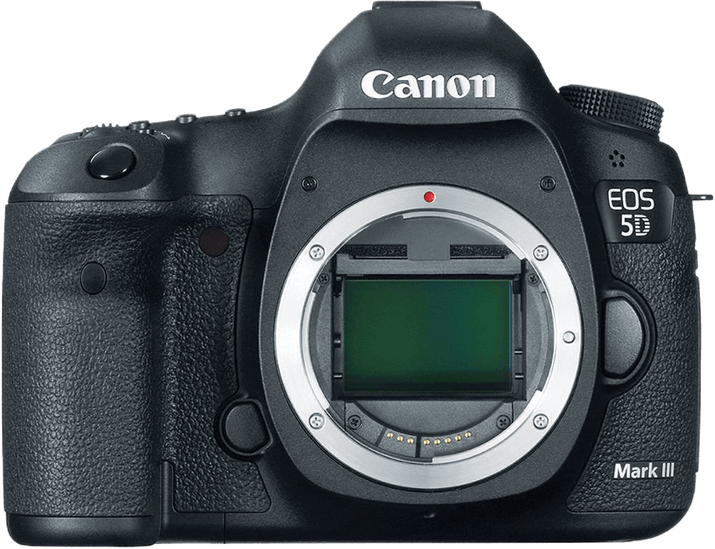
- Resolution
- 22.3 MP
- Sensor
- Full Frame
- Video
- Full HD
- Weight
- 950 g
Highlights
- Tried and tested, reliable camera
- Strong low-light performance
- Has a high dynamic range
- Dual slots for SD and CF cards
Trade-Offs
- Some disappointing JPEG rendering
- AF in Live View is clunky
- Fixed screen is not touch sensitive
- Video recording is time limited
Pentax KP
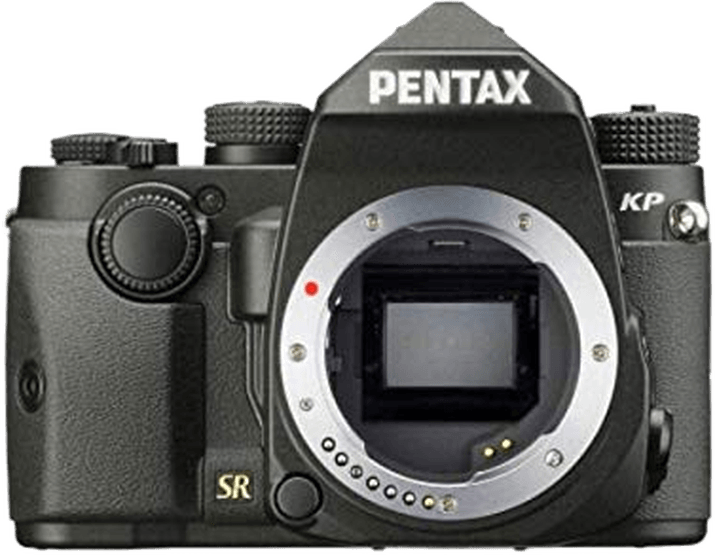
- Resolution
- 24 MP
- Sensor
- APS-C
- Video
- Full HD
- Weight
- 703 g
Trade-Offs
- No 4K video
- No touchscreen
- Unreliable mobile app
- Disappointing battery life
Canon EOS 77D
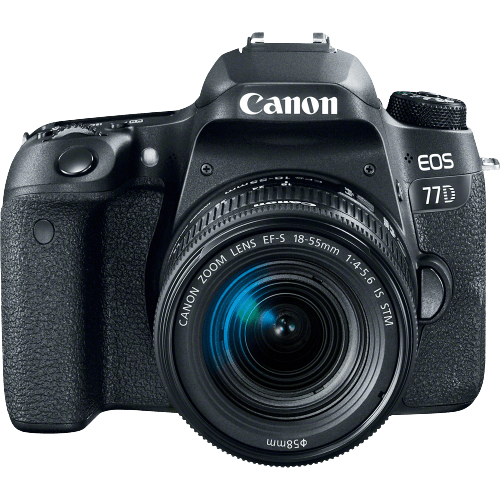
- Resolution
- 24.2 MP
- Sensor
- APS-C
- Video
- Full HD
- Weight
- 765 g
Highlights
- Fast, accurate, 45-point Dual Pixel AF
- 5-axis image stabilization to help reduce camera shake
- Excellent Live View performance
- Good ergonomics and handling
- Easy Wi-Fi and Bluetooth connections
Trade-Offs
- Unreliable intelligent AF subject tracking and recognition
- A slow burst rate
- A small viewfinder
- Plasticky build, no weather-sealing
- No 4K video option
Pentax K-1 Mark II
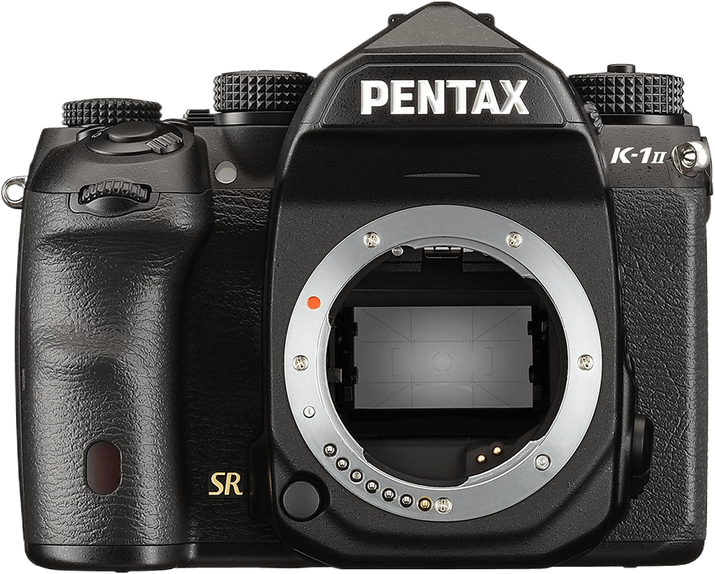
- Resolution
- 36 MP
- Sensor
- Full Frame
- Video
- Full HD
- Weight
- 1010 g
Trade-Offs
- AF is not as refined as others
- A slow frame rate
- Noise reduction always applied leads to soft images
- Limited modern lens selection
- Soft Full HD and no 4K capture
- A short battery life
Canon EOS Rebel T100 / 4000D
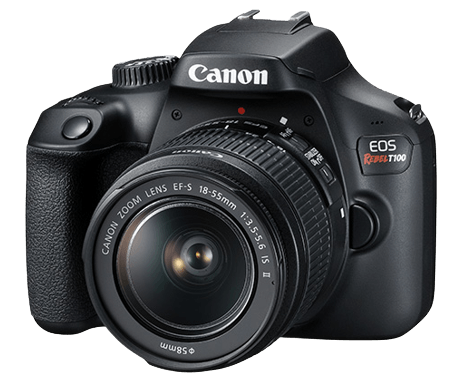
- Resolution
- 18 MP
- Sensor
- APS-C
- Video
- Full HD
- Weight
- 475 g
Trade-Offs
- Limited AF frame coverage
- Live View lags in low light
- Slow 3 fps burst speed
- Cheap plastic body
- Not weather sealed
Our Verdict
Do you prefer the DSLR’s form factor (arrangement of features) to a mirrorless camera? If so, the best budget DSLR is probably an APS-C model like the Nikon D500.
APS-C systems are smaller, lighter, and less expensive than their full frame equivalents. But you still get good image quality, fast frame rates, and quick and accurate AF systems.
Do you prefer a full frame model? The Canon EOS 5D Mark III is probably best if you can find a bundle including the camera body and a kit lens. The big advantage is that you won’t have to buy APS-C lenses that won’t work so well if you upgrade to a full frame camera, but it will cost more…
Common FAQs
Here are our answers to the most often asked questions about the best budget DSLRs for beginners.

What is Canon’s cheapest DSLR?
The cheapest Canon DSLR is the Canon EOS Rebel T100, which has an APS-C sensor. If you want the cheapest full frame DSLR, you’ll have to spend around $1,000 more to get the Canon EOS 6D Mark II.
Which DSLR is best for normal use?
The Nikon D500 is the best all-around DSLR for beginners if you can afford it. It ticks all the boxes. It has the D5’s features… pro-grade autofocus, excellent image quality, fast continuous shooting, and a deep buffer. That makes it ideal for beginners who want to explore sports and wildlife photography.
Is Nikon D3500 good for beginners?
The Nikon D3500 is a DX-format (or APS-C) DSLR camera. It has a Guide Mode to help beginners learn photography while they shoot. And the sensor provides excellent image quality at low ISOs. But there are problems with exposure metering, outdated autofocus, and Bluetooth file transfer. Face detection also only works in Live View.
Is mirrorless or DSLR better for beginners?
This article only focuses on DSLRs. But mirrorless cameras are also an option. They tend to be smaller and lighter. The best ones offer a rare combination of high resolution and fast frame rates. They also have eye detection and subject tracking. Plus, they have blackout-free, silent shooting with no viewfinder lag. But some people prefer an optical viewfinder, so it’s a matter of personal taste.
Which DSLR should a beginner buy?
The cheapest full frame DSLRs are generally well over $1,000. So getting an APS-C model is the best way to dip your toe in the water. That might be the D500 or the Pentax K-3 Mark III—depending on your budget! Crop-sensor cameras tend to be smaller, lighter, and cheaper than full frame ones. But the image quality, frame rates, and autofocus systems are still pretty good if you find the right one.